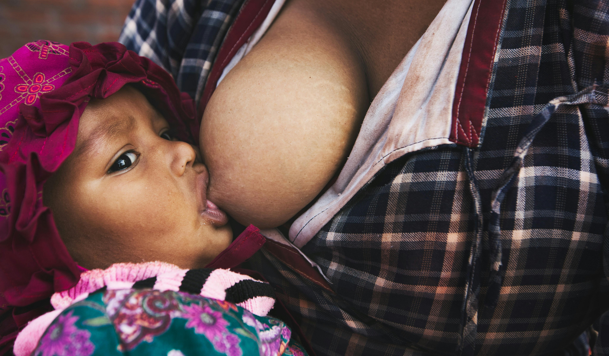
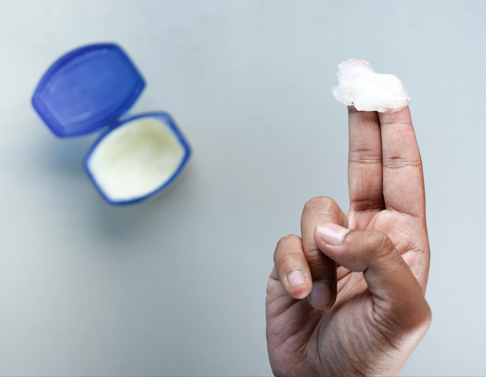
Caring for a baby’s delicate skin is one of the most important responsibilities for any parent or caregiver. Babies are prone to dry skin, irritation, rashes, and minor cuts, making gentle and effective skin care a top priority. Among the many products available, petroleum jelly has stood the test of time as one of the safest and most versatile solutions. This simple, inexpensive product provides multiple benefits for baby skin care and should be a staple in every parent’s baby care kit. This essay explores what petroleum jelly is, its benefits for babies, and important safety precautions that ensure its safe use.
What is Petroleum Jelly?
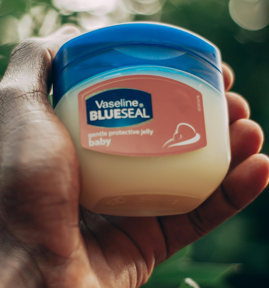
Petroleum jelly, commonly referred to by brand names such as Vaseline, is a semi-solid mixture of hydrocarbons derived from petroleum. It is odourless, colourless, and generally free of additives, making it suitable for sensitive skin. Its main property is occlusion, which means it forms a protective barrier over the skin to lock in moisture. Unlike creams or lotions, petroleum jelly does not absorb into the skin but sits on the surface, providing long-lasting protection against water loss and environmental irritants. Its hypoallergenic nature, minimal reactivity, and affordability have made it a trusted choice for baby skin care for decades.
Benefits of Petroleum Jelly in Babies
1. Moisturizes and Hydrates Delicate Skin

Babies have thinner skin than adults, which is more susceptible to dryness and irritation. Environmental factors such as cold weather, low humidity, or frequent bathing can strip the skin of natural oils. Applying a thin layer of petroleum jelly after bathing traps moisture and prevents water loss, keeping skin soft and hydrated. Parents often use it on common dry areas such as elbows, knees, cheeks, and hands to maintain smooth, healthy skin. This protective property is particularly helpful for new-borns, whose skin barrier is still developing and requires extra protection (Lawrence & Lawrence, 2021).
2. Prevents and Treats Diaper Rash
Diaper rash is one of the most common skin conditions in infants, caused by prolonged contact with wet diapers or stool. The irritation can result in redness, soreness, and discomfort. Petroleum jelly forms a barrier between the skin and moisture, reducing friction and preventing rash development. When applied consistently during diaper changes, it not only prevents diaper rash but also helps soothe minor existing irritation, allowing the skin to heal naturally (Mayo Clinic, 2023).
3. Supports Healing of Minor Cuts and Scratches
Babies often scratch their skin with tiny fingernails or experience minor abrasions from clothing or play. Petroleum jelly provides a protective covering that keeps the skin moist and promotes faster healing. Unlike some medicated ointments, it is non-irritating and safe for delicate baby skin, reducing the risk of infection or scarring.
4. Manages Cradle Cap and Scalp Dryness
Cradle cap, a condition characterized by yellowish, flaky patches on a baby’s scalp, can be softened using petroleum jelly. By applying a small amount to the affected area and gently massaging it, the flakes loosen and can be combed out or washed away. This process helps reduce irritation and keeps the scalp healthy (Victora et al., 2016). The moisturizing property of petroleum jelly also prevents dryness and itching on other parts of the body.
5. Protects Against Drool Rash and Chafing
During teething, babies often drool excessively, which can cause irritation around the mouth, chin, and neck. Petroleum jelly creates a moisture barrier, protecting the skin from saliva and reducing redness. Similarly, it prevents chafing in skin folds such as thighs, neck creases, and underarms, especially during hot or humid conditions.
6. Comfort and Skin Protection During Harsh Weather
Cold, windy, or dry environments can easily damage a baby’s sensitive skin. Applying a thin layer of petroleum jelly on exposed areas like the cheeks, lips, and hands protects against chapping, windburn, and moisture loss. Its gentle formulation ensures that it does not irritate even the most delicate skin.
Safety Precautions When Using Petroleum Jelly
Although petroleum jelly is generally safe, proper precautions are important to ensure it benefits the baby without causing harm.
- Use 100% Pure, Unscented Petroleum Jelly:
Avoid products with added fragrances, colors, or chemicals that could irritate sensitive skin.
- Apply a Thin Layer:
A small amount is enough to form a protective barrier. Excessive application may clog pores or trap sweat and bacteria.
- Avoid Internal Use:
Petroleum jelly should never be applied inside the nose, mouth, or diaper area where it has not been cleaned, as this may lead to aspiration or infection.
- Clean Hands Before Application:
Always wash hands to prevent contamination, especially when applying to open or sensitive areas.
- Monitor for Allergic Reactions:
Although rare, some babies may show redness, swelling, or irritation. Stop use immediately and consult a paediatrician if this occurs.
- Do Not Replace Medications:
Petroleum jelly can protect and moisturize, but it does not treat infections or serious skin conditions. Seek medical advice if rashes, cuts, or dryness persist or worsen.
Petroleum jelly is a versatile, safe, and effective product that deserves a place in every parent’s baby care kit. Its moisturizing and protective properties make it essential for preventing and managing diaper rash, dry skin, cradle cap, drool rash, and minor cuts or scratches. In addition, it provides a reliable barrier against environmental factors like cold, wind, and friction. By choosing 100% pure petroleum jelly and applying it safely, parents can provide gentle, effective care for their babies’ delicate skin. With its affordability, accessibility, and proven track record, petroleum jelly is more than just a skincare product—it is a reliable tool that ensures babies remain comfortable, protected, and healthy.
References
Lawrence, R. M., & Lawrence, R. A. (2021). Breastfeeding: A guide for the medical profession (8th ed.). Elsevier.
Mayo Clinic. (2023). Diaper rash in infants: Symptoms and treatment. https://www.mayoclinic.org
Victora, C. G., et al. (2016). Breastfeeding and child health: Evidence from global studies. The Lancet, 387(10017), 475–490.