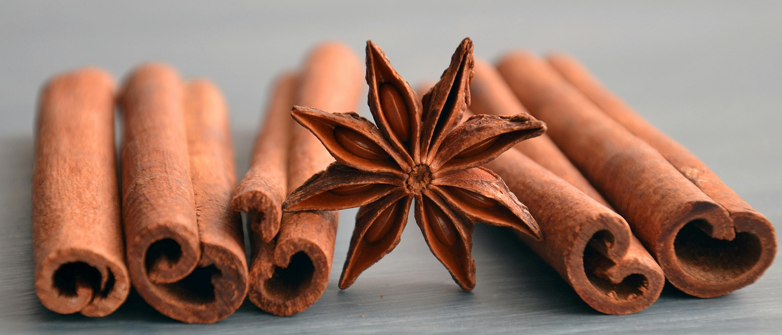
Cinnamon is mainly used in the aroma and essence industries due to its fragrance, which can be incorporated into different varieties of foodstuffs, perfumes and medicinal products Visweswara, Pasupuleti & Gan 2014). Cinnamon, a widely used culinary spice, has attracted attention for its potential role in regulating blood sugar levels, particularly among individuals with diabetes or prediabetes (Khan et. al, 2003) . Cinnamon (Cinnamomum zeylanicum) is a spice mainly obtained from cinnamon bark and leaves, it is an evergreen tree belonging to the Lauraceae family (Laszczyk, Rosiak & Kałużna-Czaplińska 2021).
Over the past two decades, numerous studies have examined its effects on glucose metabolism, insulin sensitivity, and overall glycemic control. Understanding cinnamon’s benefits begins with awareness of what blood sugar is and why maintaining normal levels is crucial for health.
What is Diabetes?
Diabetes is a metabolic disorder characterized by elevated levels of sugar in the blood, a condition known as hyperglycemia (American Diabetes Association, 2023). Under normal circumstances, food is broken down into glucose, which enters the bloodstream and serves as fuel for the body. The pancreas produces the hormone insulin, which facilitates the movement of glucose from the bloodstream into the muscles, fat, and liver for energy use (American Diabetes Association, 2023). In individuals with diabetes, this process is impaired for two main reasons: the pancreas may not produce enough insulin, or the body’s cells may not respond properly to insulin, a condition referred to as insulin resistance (American Diabetes Association, 2023). These factors prevent glucose from leaving the bloodstream effectively, leading to persistently high blood sugar levels.
Warning signs

Common warning signs include excessive thirst, frequent urination, blurred vision, fatigue, increased hunger, dry mouth, and slow-healing wounds (Mayo Clinic, 2022). Persistent hyperglycemia may indicate diabetes or poor glycemic control, emphasizing the need for proper management.
Effects of Not Checking Blood Sugar
If left untreated, prolonged high blood sugar can lead to serious health complications. Chronic hyperglycemia damages blood vessels and nerves, increasing the risk of cardiovascular disease, kidney damage (diabetic nephropathy), nerve damage (neuropathy), eye damage (diabetic retinopathy), delayed wound healing, and even stroke (International Diabetes Federation, 2022; CDC, 2021). These potential consequences highlight the importance of complementary strategies, such as dietary interventions, to help manage blood sugar.
The role of Cinnamon
Scientific studies have revealed that cinnamon contains bioactive compounds, including cinnamaldehyde, cinnamic acid, and polyphenols, which may support glucose metabolism and insulin activity (Gruenwald, Freder & Armbruester 2010). A landmark study by Khan et al. (2003) demonstrated that consuming 1–6 grams of cinnamon daily significantly reduced blood glucose levels in individuals with type 2 diabetes. Furthermore, a meta-analysis by Allen et al. (2013) found that cinnamon supplementation moderately lowered fasting plasma glucose, suggesting potential benefits for glycemic control.
Cinnamon may also slow carbohydrate absorption, as it can delay gastric emptying, resulting in more gradual postprandial blood sugar rises (Hlebowicz et al., 2007). Its antioxidant and anti-inflammatory properties reduce oxidative stress, a known contributor to insulin resistance and diabetes progression (Ranasinghe et al., 2013). Additionally, cinnamon may help lower LDL cholesterol and triglycerides, which are often elevated in people with diabetes (Khan et al., 2003). Collectively, these findings suggest cinnamon could serve as a useful complementary therapy for managing blood sugar levels, although it should not replace prescribed medications.
Cinnamon can be ordered in online and it is locally found in spice shops. Look for Ceylon (true) cinnamon rather than generic or cassia versions. Ceylon is considered higher quality and safer for health-related use. Ensure the cinnamon is pure and without additives, no added colours, flavourings, or preservatives, especially if you are using it for health purposes.
Preparation of cinnamon
Cinnamon Tea
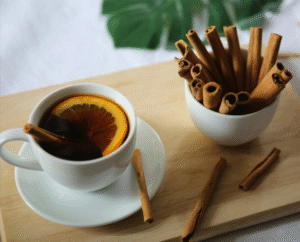
Cinnamon tea is similar to cinnamon water but usually involves a longer steeping time. Add one cinnamon stick or one teaspoon of cinnamon powder to hot water and allow it to steep for 10–15 minutes. The flavor can be enhanced with ginger or lemon, but avoid sugar or honey, as they increase blood glucose levels. Drinking cinnamon tea in the morning or evening may help stabilize blood sugar throughout the day by slowing carbohydrate digestion and moderating insulin spikes.
Cinnamon Powder Added to Food
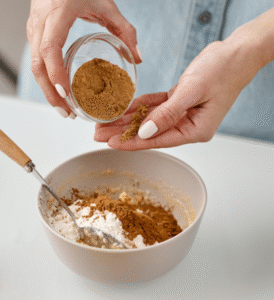
Another effective way to use cinnamon is by sprinkling ½–1 teaspoon of powdered cinnamon on meals. It can be added to oatmeal, smoothies, yogurt, porridge, or whole-grain foods. Consuming cinnamon with carbohydrate-rich meals may reduce the post-meal rise in blood sugar by slowing gastric emptying and improving insulin sensitivity. However, avoid combining cinnamon with sugary foods, as this counteracts its potential benefits.
Cinnamon With Honey
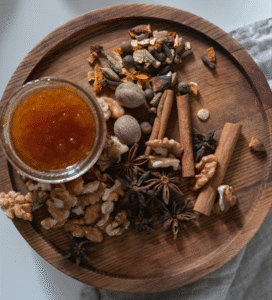
Some individuals combine cinnamon with honey, though honey still contains natural sugars and should be used cautiously by diabetics. Cinnamon, however, has demonstrated glucose-lowering effects through its influence on insulin receptors and glucose transport mechanisms (Qin et al., 2003). If desired, mix ½ teaspoon of cinnamon powder with one teaspoon of warm water and add a small amount of honey. Consume this mixture once daily, preferably in the morning.
Cinnamon Capsules or Supplements
For those who prefer standardized dosing, cinnamon capsules are available as supplements. These typically contain Ceylon cinnamon extract, which is lower in coumarin and safer for long-term use. Clinical trials indicate that supplement doses ranging from 500 mg to 2,000 mg per day may help reduce fasting blood sugar and improve cholesterol levels (Khan et al., 2003). However, people taking diabetes medications should consult a healthcare provider before using supplements due to the risk of hypoglycemia. Hypoglycemia is a medical condition in which blood glucose levels fall below the normal range, typically below 70 mg/dL (3.9 mmol/L) (American Diabetes Association, 2023).
Using Cinnamon Sticks in Cooking
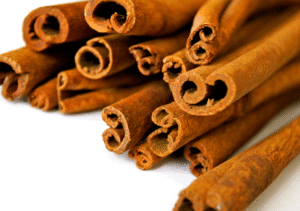
Cinnamon sticks can be added to soups, stews, curries, beans, and teas during cooking. Slow cooking allows the active compounds to infuse into the food, providing a mild, natural way to support blood sugar control. This method works best for individuals who prefer food-based approaches rather than drinks or supplements.
Precautionary measures
Despite its potential benefits, cinnamon should be used with caution. Ceylon cinnamon (“true cinnamon”) is recommended for long-term use because it contains lower levels of coumarin, a compound that can harm the liver if consumed in large amounts (European Food Safety Authority, 2018). Excessive consumption, particularly of Cassia cinnamon, may cause liver irritation. People taking diabetes medication should monitor their blood sugar closely, as cinnamon may amplify the effects of insulin or oral hypoglycemic drugs. Pregnant or breastfeeding women should avoid consuming medicinal doses of cinnamon, and some individuals may experience mild allergic reactions or mouth irritation (WHO, 2020).
In conclusion, cinnamon has demonstrated promising potential in supporting blood sugar control through improved insulin sensitivity, antioxidant effects, and moderation of post-meal glucose spikes. While scientific evidence supports its usefulness as a supplementary therapy, cinnamon should never replace medical treatment for diabetes. When used appropriately and under professional guidance, cinnamon can be a valuable addition to a healthy lifestyle aimed at maintaining stable blood sugar levels.
References
Allen, R. W., Schwartzman, E., Baker, W. L., Coleman, C. I., & Phung, O. J. (2013). Cinnamon use in type 2 diabetes: An updated systematic review and meta-analysis. Annals of Family Medicine, 11(5), 452–459.
American Diabetes Association. (2023). Understanding blood glucose and diabetes.
Centers for Disease Control and Prevention. (2021). Long-term complications of diabetes.
European Food Safety Authority. (2018). Coumarin in cinnamon: Safety evaluation. EFSA Journal.
Gruenwald, Joerg & Freder, Janine & Armbruester, Nicole. (2010). Cinnamon and Health. Critical reviews in food science and nutrition.
Hlebowicz, J., et al. (2007). Effect of cinnamon on gastric emptying and postprandial blood glucose. American Journal of Clinical Nutrition, 85(6), 1552–1556.
International Diabetes Federation. (2022). IDF Diabetes Atlas.
Khan, A., Safdar, M., Ali Khan, M. M., Khattak, K. N., & Anderson, R. A. (2003). Cinnamon improves glucose and lipids of people with type 2 diabetes. Diabetes Care, 26(12), 3215–3218.
Laszczyk N & Rosiak A & Kałużna-Czaplińska J. (2021). The Potential Role of Cinnamon in Human Health. Forests
Mayo Clinic. (2022). Hyperglycemia symptoms and causes.
Ranasinghe, P., et al. (2013). Medicinal properties of cinnamon: A systematic review. BMC Complementary and Alternative Medicine, 13, 275.
World Health Organization. (2020). Herbal medicine use in pregnancy.