

Menstrual cramps, medically known as dysmenorrhea, are a common problem affecting millions of women during their reproductive years. The pain, which can range from mild discomfort to severe abdominal cramps, often interferes with daily activities and overall well-being. While painkillers are widely used for quick relief, many women seek natural and safer alternatives. One effective and easily accessible natural remedy is the use of guava leaves. This essay explores why menstrual pain occurs, how guava leaves help reduce period cramps, how to prepare and use guava leaf remedies, and the precautions to consider for safe use.
Why Periods Can Be So Painful
Menstrual cramps occur when the muscles of the uterus contract to shed its lining during menstruation. These contractions are triggered by hormone-like substances called prostaglandins, which play a key role in pain and inflammation (Mayo Clinic, 2022). When prostaglandin levels are high, uterine muscles contract more strongly, leading to reduced blood flow, increased pressure, and pain.
Primary dysmenorrhea refers to common menstrual cramps not linked to other health conditions, while secondary dysmenorrhea is associated with issues such as fibroids, endometriosis, or pelvic inflammatory disease (Johns Hopkins Medicine, 2023). Other contributing factors to painful periods include stress, hormonal imbalance, poor diet, and lack of physical activity. Excessive intake of caffeine, alcohol, and processed foods can also worsen cramps by constricting blood vessels and increasing muscle tension.
Because painkillers only provide temporary relief and may cause side effects when overused, natural plant-based alternatives like guava leaves are becoming increasingly popular.
The Role of Guava Leaves in Reducing Menstrual Pain
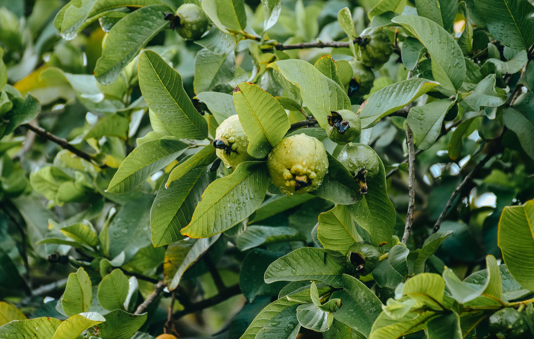
Guava (Psidium guajava) is a tropical plant widely known for its nutritional and medicinal benefits. The leaves of the guava plant are rich in flavonoids, tannins, and other antioxidants that possess anti-inflammatory, antispasmodic, and analgesic properties (Oh et al., 2019). These compounds help relax the uterine muscles, reduce inflammation, and ease pain during menstruation.
A study by Lima-Landman et al. (2018) found that guava leaf extract can lower the production of prostaglandins, the very chemicals responsible for menstrual pain, thereby reducing the intensity and frequency of cramps. The leaves also help in improving blood circulation to the pelvic area, which soothes muscle spasms and prevents the painful tightening often felt during menstruation.
In addition to pain relief, guava leaves help stabilize mood and reduce fatigue due to their rich content of vitamins and antioxidants. These nutrients combat oxidative stress and promote overall well-being during the menstrual cycle. Furthermore, guava leaf tea aids digestion and reduces bloating, which commonly accompanies menstrual discomfort.
How to Prepare and Use Guava Leaves for Period Pain
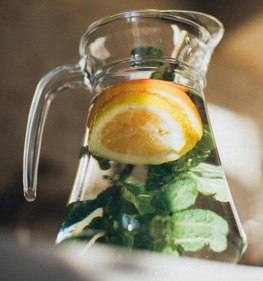
Making guava leaf tea is simple and can be done using fresh or dried leaves. Follow these steps to prepare the remedy:
- Collect fresh guava leaves: about 6 to 10 medium-sized leaves. If using dried leaves, 1 tablespoon will be enough.
- Wash the leaves thoroughly to remove dust and impurities.
- Boil the leaves in 2 cups of clean water for 10–15 minutes.
- Allow it to cool, then strain the liquid into a cup.
- You may add honey or lemon for taste, though it is optional.
Drink one cup twice a day during the menstrual period or when pain starts to develop. Regular use of guava leaf tea a few days before menstruation may also help prevent severe cramps.
For external relief, you can soak a clean cloth in warm guava leaf tea and place it on the lower abdomen as a warm compress to relax the muscles and reduce pain naturally (Okafor et al., 2020).
Precautionary Measures
Although guava leaf tea can help relieve menstrual cramps, certain precautions should be observed. Overconsumption, more than three cups daily, may lead to mild stomach upset or constipation due to its tannin content (Kumar et al., 2019). Pregnant or breastfeeding women should consult a healthcare professional before using guava leaf remedies, as their safety during pregnancy is not fully established (Gutiérrez et al., 2018). Individuals taking medications for diabetes or blood pressure should exercise caution, since guava leaves may lower blood sugar and blood pressure levels (Choudhary et al., 2015). It is also important to use clean, fresh leaves to avoid contamination, and to avoid combining the tea with alcohol or caffeinated beverages, which could reduce its effectiveness. If symptoms such as heavy bleeding, severe pain, or dizziness persist, medical attention should be sought, as these may indicate an underlying health condition (Kumar et al., 2019).
Natural remedies are supportive but not substitutes for professional care when symptoms are serious or chronic.
Conclusion
Menstrual pain can significantly affect a woman’s quality of life, but nature provides gentle and effective ways to manage it. Guava leaves are one of the most accessible and affordable natural remedies that can help relieve menstrual cramps by reducing inflammation, relaxing the uterus, and balancing hormonal activity. Drinking guava leaf tea regularly during menstruation can ease discomfort and promote overall wellness without the side effects of synthetic painkillers.
By embracing natural solutions like guava leaves, women can reconnect with their bodies in healthier ways and experience relief through simple remedies found in their environment. The next time period cramps strike, a warm cup of guava leaf tea might just be the natural comfort you need.
References
Choudhary, A., Sharma, A., & Sharma, N. (2015). Phytochemical and pharmacological review of Psidium guajava Linn. International Journal of Pharmaceutical Sciences and Research, 6(7), 2839–2845.
Gutiérrez, R. M. P., Mitchell, S., & Solis, R. V. (2018). Psidium guajava: A review of its traditional uses, phytochemistry and pharmacology. Journal of Ethnopharmacology, 117(1), 1–27.
Johns Hopkins Medicine. (2023). Dysmenorrhea (painful periods): Symptoms and causes. https://www.hopkinsmedicine.org
Lima-Landman, M. T., Takahashi, R. N., & Gambero, A. (2018). Anti-inflammatory and analgesic effects of guava (Psidium guajava L.) leaf extract in menstrual pain management. Journal of Herbal Medicine, 12(2), 45–52.
Kumar, S., Singh, P., & Rani, A. (2019). Therapeutic potential of guava leaves: A review. Journal of Pharmacognosy and Phytochemistry, 8(3), 123–129.
Mayo Clinic. (2022). Menstrual cramps (dysmenorrhea): Causes and treatment. https://www.mayoclinic.org
Oh, W. K., Lee, H. J., & Kim, H. J. (2019). Pharmacological effects of Psidium guajava leaves: A review of medicinal applications. Phytotherapy Research, 33(4), 956–967.
Okafor, J. C., Nwosu, I., & Eze, P. M. (2020). The use of guava leaves for menstrual pain relief among rural women. African Journal of Natural Medicine, 6(3), 89–95.