
Cancer is one of the leading causes of death worldwide, and its rising prevalence has increased interest in foods that slow cancer cell growth naturally. Due to issues of drug resistance, toxicity and severe side effects from standard chemotherapy, there is growing interest in natural, non-toxic and safe compounds that possess anti-cancer potential (G.-Y. Lee etal., 2020).While cancer cannot be cured by diet alone, scientific research shows that certain plant-based foods contain powerful bioactive compounds that may help inhibit abnormal cell growth, reduce chronic inflammation, and protect healthy cells from oxidative damage. When combined with a healthy lifestyle and proper medical care, these foods may play a supportive role in cancer prevention and overall wellness.
It is therefore the aim of this article to explore six foods that may slow cancer cell growth, such as soursop, moringa, tomatoes, broccoli, blueberries, and turmeric. It will explain how they work in the body, along with important safety precautions.
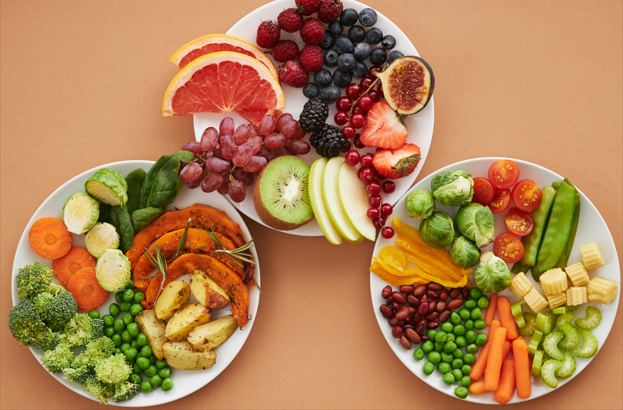
What Is Cancer?
Cancer is a sickness when genetic or epigenetic changes happen in somatic cells. This causes cells to divide in ways that aren’t normal, and the cancer cells may spread to other parts of the body (Camat et. Al, 2024). Furthermore, these cells can invade surrounding tissues and, if untreated, spread to other parts of the body through the blood and lymphatic systems. Cancer develops when normal cellular processes, such as cell division, repair, and programmed cell death (apoptosis), become disrupted due to genetic mutations (Hanahan & Weinberg, 2011).
Causes of Cancer
Cancer is caused by a combination of genetic, environmental, and lifestyle factors. Major contributors include exposure to carcinogens (such as tobacco smoke and radiation), chronic inflammation, infections, obesity, poor diet, physical inactivity, excessive alcohol consumption, and oxidative stress caused by free radicals (World Health Organization [WHO], 2023). Smoking tobacco increases the risk of developing many types of cancer and is responsible for approximately one-third of all cancer deaths (López-Lázaro, 2016).Diet plays a crucial role in either increasing cancer risk or offering protective benefits.
Food that can slow cancer cells naturally
1. Soursop (Annona muricata)
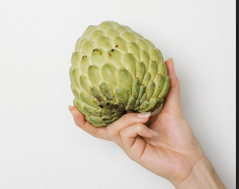
To begin with, Soursop (Annona muricata) is an evergreen tree native to tropical and subtropical areas globally. It has gained attention for its content of annonaceous acetogenins, compounds shown in laboratory studies to selectively inhibit cancer cell growth by disrupting mitochondrial energy production (Kim et al., 1998). These compounds reduce ATP synthesis, depriving cancer cells of the energy required for rapid division. Research shows that soursop extracts can be more harmful to cancer cells than some standard drugs, while at the same time helping healthy cells stay alive (Mutakin, 2022). Some in vitro studies suggest soursop extracts may slow the growth of breast, prostate, and colon cancer cells. However, human clinical trials are limited, and excessive consumption should be avoided.
2. Moringa (Moringa oleifera)
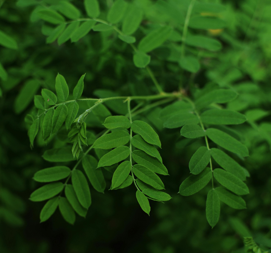
Moringa leaves also, are rich in polyphenols, flavonoids, and isothiocyanates, which possess antioxidant and anti-inflammatory properties. Research indicates that moringa extracts can induce apoptosis and inhibit proliferation in certain cancer cell lines by suppressing oxidative stress and inflammatory signaling pathways (Tiloke et al., 2013). According to Paikra et al, moringa has a variety therapeutic benefits including the ability to treat tumors, prevent infertility, lower blood pressure, anticancer, antioxidant, anti-inflammatory, anti-proliferative, and have antimicrobial effects. Breast, pancreatic, and colorectal cancer cell growth has been successfully inhibited by leaf and bark extracts of M. oleifera (Al-Asmari et al., 2015). Its high nutrient density also supports immune function, which is essential in cancer defense.
3. Tomatoes
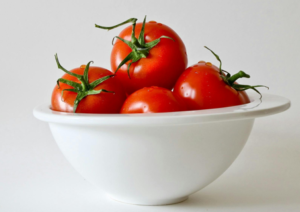
In addition, tomatoes are a major source of lycopene, a powerful carotenoid antioxidant. Lycopene found in tomato, helps neutralize free radicals and has been associated with reduced risk of prostate, lung, and stomach cancers (Giovannucci, 2002). It may inhibit cancer cell growth by modulating cell-cycle progression and reducing insulin-like growth factor signaling. Bioactive compounds found in tomato has different effect on each cancer; lycopene in breast cancer, cervix uteri cancer, and liver cancer; carotenoid lutein in breast Cancer; α-tomatine and tomatidine in lung cancer. Cooked tomatoes enhance lycopene bioavailability, making tomato paste and sauces particularly beneficial
4. Broccoli
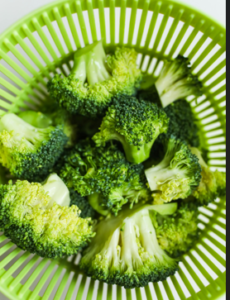
Furthermore, broccoli contains sulforaphane, a Sulphur-containing compound known to activate detoxification enzymes and inhibit histone deacetylase (HDAC), an enzyme involved in cancer progression (Zhang et al., 1992). Sulforaphane has been shown to suppress tumor growth, induce apoptosis, and inhibit metastasis in experimental models. In addition, it is known to possess anti-cancer properties such as chemo-preventive properties against gastrointestinal, breast, lung, bladder, prostate, and other cancers. The reported data indicates that broccoli could be a potent inhibitor of cancer development and progression and can be used alone or in combination with other isocyanates or conventional anti-cancer medications (Djaldetti, 2022). Regular consumption of cruciferous vegetables is linked to lower risk of several cancers.
5. Blueberries
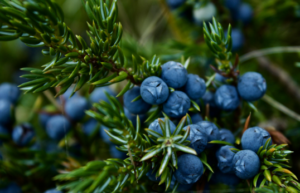
Last but not least, Blueberries are full of anthocyanins, powerful antioxidants. These have been shown to stop cancer cells from growing (Seeram, 2008). These compounds help reduce DNA damage, inhibit inflammation, and suppress angiogenesis (the formation of new blood vessels that feed tumors) (Seeram, 2008). Animal studies provide strong evidence that blueberries and their bioactive compounds may help prevent the development of various cancers. Although some human studies suggest blueberries can reduce oxidative DNA damage, more clinical research is needed to confirm their effectiveness in lowering cancer risk in humans (Johnson & Arjmandi, 2013). Studies show that eating blueberries can help reduce cancer cell growth in the colon and esophagus, breast and prostate cancer cells in laboratory settings.
6. Turmeric and Turmeric Leaves
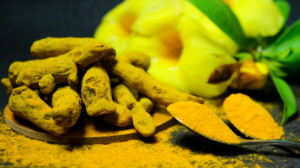
Lastly, Turmeric contains curcumin, a polyphenol with well-documented anticancer activity. Curcumin modulates multiple molecular pathways involved in cancer development, including NF-κB, COX-2, and inflammatory cytokines (Aggarwal & Sung, 2009). Ethanolicturmeric extract (ETE) was found to be highly cytotoxic to human leukaemic cells in vitro and also preventedanimal tumours induced by Dalton’s lymphoma (Kuttan et al., 1985). Turmeric leaves also contain antioxidants that support detoxification and immune regulation. Curcumin may enhance apoptosis and inhibit tumour invasion, although bioavailability improves when consumed with black pepper.
Precautionary Measures
Although these foods offer promising anticancer properties, they should be used as supportive dietary measures, not replacements for medical treatment. Individuals undergoing cancer therapy should consult healthcare professionals before using concentrated extracts or supplements. Excessive consumption of soursop may pose neurotoxicity risks, and turmeric supplements may interact with blood-thinning medications. A balanced diet, early screening, and evidence-based medical care remain essential.
In conclusion, Incorporating nutrient-rich, plant-based foods such as soursop, moringa, tomatoes, broccoli, blueberries, and turmeric into the diet may help support the body’s natural defense mechanisms against cancer. Through antioxidant activity, inflammation control, and regulation of cell growth pathways, these foods contribute to overall health and cancer prevention when combined with a healthy lifestyle.
References
Aggarwal, B. B., & Sung, B. (2009).Pharmacological basis for the role of curcumin in chronic diseases. Advances in Experimental Medicine and Biology, 595, 1–75.
Al-Asmari, A. K., Albalawi, S. M., Athar, M. T., Khan, A. Q., Al-Shahrani, H., &Islam, M. (2015). Moringa oleifera as an anti-cancer agent against breastand colorectal cancer cell lines. Plos One,10(8
Camat, L.J., Culbengan, R., Camaso, C., Cariaso, C., Cayabas, R., Aban, J. (2024). Different natural, artificial, and environmental causes of cancer. 10.13140/RG.2.2.22323.23847.
Djaldetti, M. (2022). Sulforaphane: The Principal Broccoli Phytochemical as a Cancer Challenger. Recent Progress in Nutrition. 2. 1-1. 10.21926/rpn.2201008.
Giovannucci, E. (2002). A review of epidemiologic studies of tomatoes, lycopene, and prostate cancer. Experimental Biology and Medicine, 227(10), 852–859.
Hanahan, D., & Weinberg, R. A. (2011). Hallmarks of cancer: The next generation. Cell, 144(5), 646–674.
Johnson, Sarah & Arjmandi, Bahram. (2013). Evidence for Anti-Cancer Properties of Blueberries: A Mini-Review. Anti-cancer agents in medicinal chemistry. 13. 10.2174/18715206113139990137.
Kim, G. S., Zeng, L., Alali, F., Rogers, L. L., Wu, F. E., McLaughlin, J. L., & Sastrodihardjo, S. (1998). Two new cytotoxic monotetrahydrofuran annonaceous acetogenins from Annona muricata. Journal of Natural Products, 61(2), 179–184.
Kuttan, R., Bhanumathy, P., Nirmala, K., & George, M. C. (1985). Potential anticancer activity of turmeric (Curcuma longa). Cancer Letters, 29(2), 197–202. https://doi.org/10.1016/0304-3835(85)90159-4
Lee, G. Y., J. S. Lee, C. G. Son and N. H. Lee, (2020), ‘Combating Drug Resistance in Colorectal Cancer UsingHerbal Medicines’, Chinese Journal of Integrative Medicine
López-Lázaro, Miguel. (2016). What is the Main Cause of Cancer?. Cancer Studies and Therapeutics.
Mutakin M., et al. (2022).Pharmacological activities of soursop (Annona muricata Lin.) Molecules. ;27(4) doi: 10.3390/molecules27041201.
Seeram, N. P. (2008). Berry fruits: Compositional elements, biochemical activities, and the impact of their intake on human health. Journal of Agricultural and Food Chemistry, 56(3), 627–629.
Tiloke, C., Phulukdaree, A., & Chuturgoon, A. A. (2013). The antiproliferative effect of Moringa oleifera crude aqueous leaf extract on cancerous human alveolar epithelial cells. BMC Complementary and Alternative Medicine, 13, 226.
World Health Organization. (2023). Cancer. WHO.
Zhang, Y., Talalay, P., Cho, C. G., & Posner, G. H. (1992). A major inducer of anticarcinogenic protective enzymes from broccoli. Proceedings of the National Academy of Sciences, 89(6), 2399–2403.