
Memory loss and dementia are growing global health concerns, particularly among aging populations. Dementia is typically associated with progressive damage to brain cells, oxidative stress, inflammation, and reduced neurotransmitter activity (World Health Organization [WHO], 2023). Dementia is not a single disease but a collective term for conditions characterized by cognitive decline, including Alzheimer’s disease, vascular dementia, and other neurodegenerative disorders. Memory loss, impaired executive function, and slow cognitive decline are the hall-marks of Alzheimer Disease, the most common type of dementia and a degenerative neurological disorder (Thawabteh et. al, 2025). The pathological hallmarks of Alzheimer Disease are the build-up of tau tangles and amyloid-beta plaques, which result in neuronal death and dysfunction. Patients complain of cognitive decline, which is made worse by oxidative stress, chronic inflammation, and synapse loss (Cummings et.al, 2020).
The goal of current Alzheimer Disease treatment options is to control symptoms rather than delay or reverse the progression of the illness. The most typically given drugs are acetylcholinesterase inhibitors, which include galantamine, rivastigmine, and donepezil. They function by raising the brain’s acetylcholine levels, improving neuronal transmission, and momentarily lessening cognitive symptoms ( Rabinovici & La Joie). These drugs only manage the symptoms, however they do not address the underlying, as yet unidentified, causes of Aizheimer Disease. This article explores evidence-based natural remedies that may help with memory loss and dementia.
Turmeric (Curcuma longa)

Turmeric contains curcumin. Curcumin is the source of the spice Turmeric and is used in curries and other spicy dishes from India, Asia and the Middle East. Similar to many other herbal remedies, people first used curcumin as a food and later discovered that it also had impressive medicinal qualities. It has been used extensively in Ayurveda (Indian system of Medicine) for centuries as a pain relieving, anti-inflammatory agent to relieve pain and inflammation in the skin and muscles. It has also proven to have anti-cancer properties (Ammon & Wahl, 1991). Curcumin has been shown to reduce oxidative stress and inhibit the formation of amyloid plaques associated with Alzheimer’s disease (Vallianou et al., 2015). Researchers investigated the association between the curry consumption and cognitive level in 1010 Asians between 60 and 93 years of age. The study found that those who occasionally ate curry (less than once a month) and often (more than once a month) performed better on a standard test (MMSE) of cognitive function than those who ate curry never or rarely (Ammon & Wahl, 1991). Regular consumption of turmeric, either in food or as supplements, may help support long-term brain health.
Dietary Approaches to Improve Memory
Omega-3 Fatty Acids
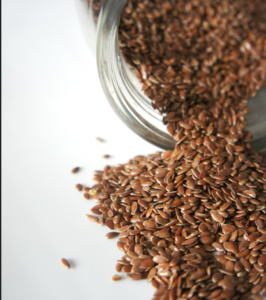
Omega-3 fatty acids, found in fatty fish, flaxseeds, and walnuts, are essential for brain structure and function. Omega-3 FAs are essential for the assembly, maturation and physiological function of neuronal structures. Additionally, omega-3 FAs are crucial for higher cognitive functions, such as cognition and memory (Smollich, 2015) Studies suggest that omega-3s help reduce inflammation and may slow cognitive decline in older adults (Yurko-Mauro et al., 2010). However, most of the studies have been done on animal subjects. Human studies are inconclusive, and most of them are underway.
Antioxidant-Rich Foods
Fruits and vegetables rich in antioxidants, such as berries, leafy greens, and citrus fruits, help neutralize free radicals that damage brain cells. Diets high in antioxidants have been associated with better cognitive performance and reduced dementia risk (Morris et al., 2015).
Lifestyle-Based Natural Interventions
Lifestyle and behavioural interventions include cognitive training, a healthy diet, and exercise, as well as combinations of these strategies. These interventions are being studied as ways to help prevent dementia or slow the progression from mild cognitive impairment to dementia. Carefully controlled clinical trials randomly assign research participants to an intervention, such as increased physical activity or a healthy diet, and compare their rate of dementia to a group that did not have that intervention. Clinical trials designed to investigate certain lifestyle choices and behavioural patterns are based on previous population studies that identified groups of people who seemed to have a lower risk of dementia because of certain healthy behaviours (Ko & Soi Moi 2020)
Physical Exercise
Regular physical activity improves blood flow to the brain and stimulates the growth of new neural connections. Aerobic exercise, in particular, has been shown to enhance memory and slow age-related cognitive decline (Erickson et al., 2011). Evidence from randomized controlled trials indicates that physical exercise is the most consistently beneficial lifestyle intervention, improving quality of life, mobility, and certain cognitive domains, even though effects on biomarkers remain inconclusive. Combined interventions, particularly those integrating exercise with cognitive stimulation or other modalities, appear promising but yield heterogeneous results and require further validation (Velasco et, al. (2025).
Safety and Precautions
While natural remedies can be beneficial, they should not replace medical treatment for dementia. Some herbal supplements may interact with prescription medications. Therefore, individuals, especially older adults, should consult healthcare professionals before starting any new remedy.
Natural remedies for memory loss and dementia offer promising supportive benefits through herbal medicine, nutrition, and lifestyle changes. Although they are not cures, evidence suggests that combining these approaches with medical care may help slow cognitive decline, improve memory, and enhance overall brain health. Continued research and responsible use are essential for maximizing their potential benefits.
References
Cummings, J.; Lee, G.; Ritter, A.; Sabbagh, M. Alzheimer’s disease drug development pipeline: 2020. Alzheimer’s Dement. 2020 16, 321–329
Erickson, K. I., Voss, M. W., Prakash, R. S., Basak, C., Szabo, A., Chaddock, L., … Kramer, A. F. (2011). Exercise training increases size of hippocampus and improves memory. Proceedings of the National Academy of Sciences, 108(7), 3017–3022. https://doi.org/10.1073/pnas.1015950108
Ko, Y & Soi Moi, C. (2020). Lifestyle intervention to prevent Alzheimer’s disease. Reviews in the neurosciences. -1. 10.1515/revneuro-2020-0072.
Livingston, G., Huntley, J., Sommerlad, A., Ames, D., Ballard, C., Banerjee, S., … Mukadam, N. (2020). Dementia prevention, intervention, and care: 2020 report of the Lancet Commission. The Lancet, 396(10248), 413–446.
McEwen, B. S., & Morrison, J. H. (2013). The brain on stress: Vulnerability and plasticity of the prefrontal cortex over the life course. Neuron, 79(1), 16–29.
Morris, M. C., Tangney, C. C., Wang, Y., Sacks, F. M., Barnes, L. L., Bennett, D. A., & Aggarwal, N. T. (2015). MIND diet associated with reduced incidence of Alzheimer’s disease. Alzheimer’s & Dementia, 11(9), 1007–1014.
Rabinovici, G.D.; La Joie, R. Amyloid-Targeting Monoclonal Antibodies for Alzheimer Disease. JAMA 2023,330, 507
Smith, J. V., & Luo, Y. (2004). Studies on molecular mechanisms of Ginkgo biloba extract. Applied Microbiology and Biotechnology, 64(4), 465–472.
Smollich M, 2015, Special | Omega-3-Fatty Acids Omega-3 fatty acids and brain function. Ernahrungs Umschau. 62:170–177.
Stough, C., Lloyd, J., Clarke, J., Downey, L. A., Hutchison, C. W., Rodgers, T., & Nathan, P. J. (2008). The chronic effects of an extract of Bacopa monnieri on cognitive function in healthy human subjects. Psychopharmacology, 156(4), 481–484.
Thawabteh, A. & Ghanem, A. & AbuMadi, S. & Thaher, D. & Jaghama, W. & Karaman, D. & Karaman, R.. (2025). Promising Natural Remedies for Alzheimer’s Disease Therapy. Molecules. 30. 922. 10.3390/molecules30040922.
Vallianou, N. G., Evangelopoulos, A., Schizas, N., & Kazazis, C. (2015). Potential anticancer properties and mechanisms of action of curcumin. Anticancer Research, 35(2), 645–651.
World Health Organization. (2023). Dementia. WHO.
Yurko-Mauro, K., McCarthy, D., Rom, D., Nelson, E. B., Ryan, A. S., Blackwell, A., & Stedman, M. (2010). Beneficial effects of docosahexaenoic acid on cognition in age-related cognitive decline. Alzheimer’s & Dementia, 6(6), 456–464.