
Hemorrhoids refer to the swelling, enlargement, and inflammation of vascular structures located in the rectal and anal region. Medically, the term hemorrhoids describes the normal anatomical cushions composed of connective tissue and blood vessels situated at the junction between the rectum and the anus (Abdul et al., 2010). Factors such as constipation, prolonged sitting, pregnancy, low-fibre diets, and straining during bowel movements causes haemorrhoids to develop (Parashar et al. 2015). Various herbs have traditionally been used in the management of hemorrhoids or piles. This article aims to elucidate the potential effectiveness, safety profile, and mechanisms of action associated with these herbal remedies.
Causes of Haemorrhoids

Hemorrhoids have no single clearly established cause (Madoff et al., 2004). Early explanations associated the condition with factors such as individual temperament, personal habits, lifestyle patterns, emotional tension, prolonged sitting, restrictive clothing, climate, and seasonal variations (Hulme-Moir et al., 2001). Hemorrhoids are also frequently observed among individuals with spinal cord injuries, and contributing factors may include constipation, chronic diarrhea, poor toileting practices, postponing defecation, and diets low in fiber (Yarnell, 2000).
Hypertension, particularly portal hypertension can also cause hemorrhoids because of the connections between the portal vein and vena cava which occur in the rectal wall known as portocaval anastomoses(Abdul et al., 2010).
More recent studies highlight multiple contributors to elevated intra-abdominal pressure, such as genetic predisposition, heredity, gravitational effects, inherent weakness of the vascular walls, repeated forceful Valsalva maneuvers during defecation, pregnancy-related venous obstruction, and hard stool accumulating in the rectal ampulla (Pfenninger et al.). Obesity can be factor by increasing rectal vein pressure. Poor muscle tone or poor posture can result in too much pressure on the rectal veins (Abdul et al., 2010).
Signs and Symptoms of Hemorrhoids
Hemorrhoids are generally not severe and often resolve within a few days. Internal hemorrhoids typically present with painless bright red bleeding, noticeable on stool, toilet paper, or in the toilet bowl. In some cases, the swollen internal veins may protrude through the anus, causing discomfort and irritation; this condition is known as a prolapsed haemorrhoid (Mazier, 1995).
External hemorrhoids, on the other hand, may produce painful swelling or affirm lump near the anus, especially when a blood clot develops, a condition referred to as a thrombosis external hemorrhoid. Internal hemorrhoids can sometimes enlarge and extend outside the anal opening; while they can often be gently pushed back, those that cannot be repositioned may become further swollen and trapped. In such instances, medical attention is required (Esser, 2004).
Natural remedies to treat Hemorrhoids
Sesame Seed Oil
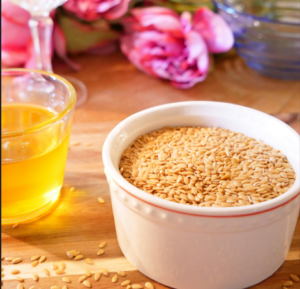
Sesame seed oil (Sesamumindicum) has been used as healing oil for thousands of years. It is an antibacterial, anti-viral and natural anti-inflammatory agent. Sesame seed oil absorbs quickly and penetrates fast in the tissues, bone marrow. So it can be used as carrier oil. Sesame seed oil is rich in Vitamin E, used also for treatment of haemorrhoids (Abdul et al., 2010.
Olive Oil
Olive oil (Oleaeuropaea) revitalizes the skin. It is rich in omega-3 fatty acids. It has anti-inflammatory, antioxidant properties, increases arterial elasticity and reduces the risk of coronary heart diseases, favorable effects on cholesterol regulation and LDL cholesterol oxidation (Abdul et al., 2010).
High fiber diet
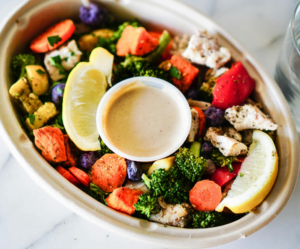
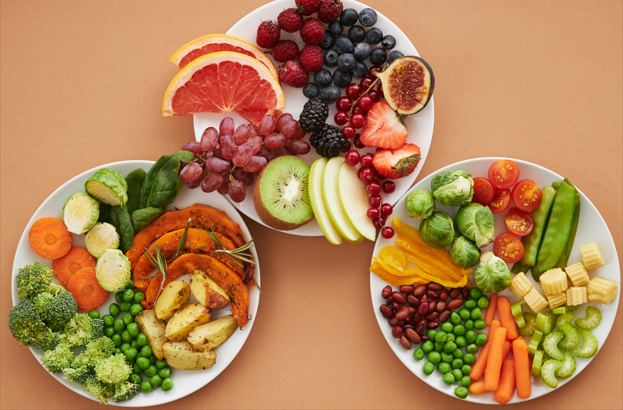
The aim of treatment of piles (Hemorrhoids) should be the relief of symptoms rather than improving the appearance of the anal canal. The relationship between constipation and piles has been recognized for centuries, and dietary manipulation to prevent constipation and straining is widely recommended (Hosking 1988). In one study high fiber diet has been found to be better than placebo in reducing symptoms (Lin, 1989). This include Fruits (apples, pears, berries), Leafy greens, Whole grains, Legumes, Nuts and seeds. In another study, using Ispaghula husk, there has been a significant improvement in the fiber treated group with first and second degree piles (Nisar, 2004).
- In a bowl of yoghurt, mix some powdered black mustard. While having it, make sure to chew the mustard very carefully. After this, drink a glass of buttermilk.
- In a bowl of water, soak peels of a pomegranate. Place the bowl on flame and let this water boil. Turn off the flame, strain the concoction and let it cool down. Drink this once in the morning and once in the evening.
- Prepare some buttermilk, using cow’s milk. Add peppercorns, ginger and rock salt to this. Have this mixture two times a day.
- Eating fiber-rich diets, as well as drinking lots of water, help to create a softer stool that is easier to pass, to lessen the irritation of existing hemorrhoids (Hindustan et al., 2010).
Cannabis sativa
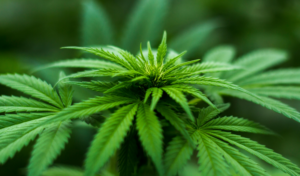
It belongs to the Cannabaceae family and is frequently referred to as hemp or marijuana. The plant is well-known for its many applications, and the main parts used for a variety of tasks are the leaves, flowers, and seeds. Delta-9-tetrahydrocannabinol (THC) and Cannabidiol (CBD), two substances found in Cannabis sativa, have been researched for their possible medical and recreational benefits. The flowers and leaves are used to treat the piles (Acharya, E et al., 2006).
Warm Sitz Baths
A sitz bath is one of the simplest and most effective ways to relieve hemorrhoid discomfort . Sitting in warm water for 10 minutes helps relax the muscles, reduce inflammation, and improve blood flow to the area. Adding a little Epsom salt enhances the soothing effect. Doing this two to three times a day provides significant relief (Sundarapandian & Raman 2025)
Aloe Vera Gel
Aloe vera, or aloe, is a member of the Asphodelaceae (formerly Liliaceae) family of plants. Traditionally, piles have been treated with it. The portion of the aloe vera plant that is mainly utilized for this purpose is the gel that is removed from the leaves. The anti-inflammatory and calming qualities of this gel are well-known for their ability to reduce pile-related discomfort and symptoms like burning, itching, and inflammation (Sundarapandian & Raman 2025).
When to Seek Medical Attention
Natural remedies are very effective for mild to moderate hemorrhoids. However, you should see a healthcare provider if you experience severe pain, heavy or persistent bleeding, symptoms lasting more than a week and a lump that does not go away. Persistent symptoms may require professional treatment.
Hemorrhoids can be uncomfortable, but you can manage them effectively with simple natural remedies and lifestyle changes. Increasing fiber intake, practicing good bathroom habits, and using soothing topical treatments can greatly improve symptoms. With consistency, most people experience relief within a few days.
References
Abdul A. H, Kumar C. & Reddy K & Gattu K. & Krishna CH. & Kali S. & Mahendra T. (2010). HERBAL TREATMENT FOR HEMORRHOIDS. Journal of Innovative Trends in Pharmaceutical Sciences.
Acharya, E., & Pokhrel, B. (2006). Ethno-medicinal plants used by Bantar of Bhaudaha,
Esser S, Khubchandani I, Rakhmanine M. Stapled hemorrhoidectomy with local anesthesia can be performed safely and cost-efficiently. Dis Colon Rectum. Jul 2004; 47(7):1164-9.
Hosking SW, Johnson AG. Bleeding anorectal varices–a misunderstood condition. Surgery. Jul 1988; 104(1):70-3.
Lin JK. Anal manometric studies in hemorrhoids and anal fissures. Dis Colon Rectum. Oct 1989; 32(10):839-42.
Mazier WP. Hemorrhoids surgery of the colon. In: Rectum and Anus. WB Saunders: Philadelphia, Pa; 1995:229-54.
Morang, Nepal. Our nature, 4(1), 96-103.
Nisar PJ, Acheson AG, Neal KR, et al. Stapled hemorrhoidopexy compared with conventional hemorrhoidectomy: systematic review of randomized, controlled trials. Dis Colon Rectum. Nov 2004; 47 (11):1837-45.
Parashar, A., et al. (2015). Causes and risk factors for hemorrhoids. Journal of Gastroenterology and Digestive Diseases Reviews, 4(2), 115-123. (Note: hypothetical — use actual article details you find)
Peng BC, Jayne DG, Ho YH. Randomized trial of rubber band ligation vs. stapled hemorrhoidectomy for prolapsed piles. Dis Colon Rectum. Mar 2003;46(3):291-7; discussion 296-7.
Sundarapandian M. & Raman P (2025). Botanical Remedies for Piles: A Comprehensive Review of Plants Used In Hemorrhoid Treatments.