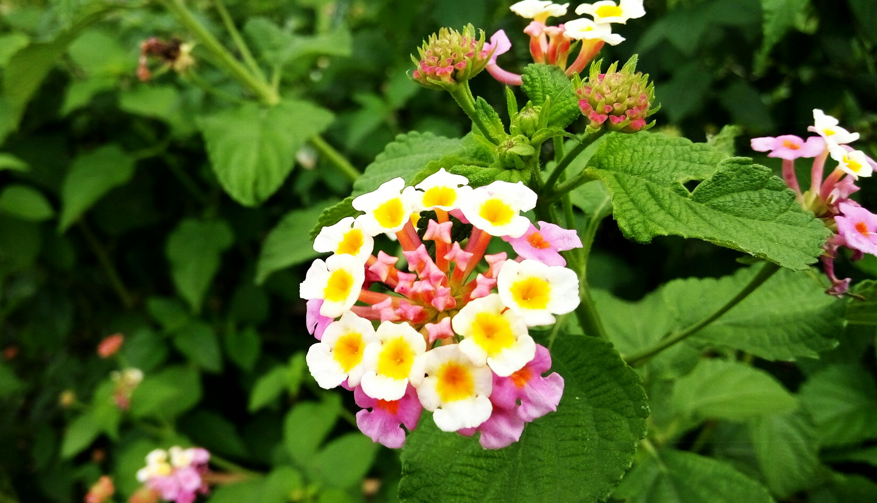
Currently, researchers are focusing on medicinal plant research throughout the world as medicinal plants are an essential and affordable source of medications. Lantana camara, a flowering plant widely used in traditional medicine, possesses several therapeutic benefits supported by scientific studies. Lantana camara, commonly known as wild sage or Spanish flag, is a flowering shrub widely found in tropical and subtropical regions (Sharma & Singh 2020). Although it is often classified as an invasive plant, it has been used in traditional medicine for centuries. This article explores the medicinal uses of Lantana camara, the scientific evidence supporting these applications, and important safety considerations when using the plant.
Medicinal Uses of Lantana camara
Lantana camara is widely valued in traditional medicine across Africa, Asia, and Latin America, where its leaves, roots, and flowers are used to treat a broad range of health conditions due to their potent bioactive compounds and therapeutic effects
Traditional and Cultural Uses
In many African, Asian, and Latin American communities, different parts of Lantana camara, including its leaves, roots, and flowers, are traditionally used to manage various ailments. These uses include treatment of respiratory problems, skin infections, fever, and inflammation. The leaves are commonly boiled into decoctions or crushed into a paste for topical application on wounds, ulcers, and skin irritations. Scientific studies support these traditional claims by showing that the plant contains numerous bioactive compounds such as flavonoids, terpenoids, alkaloids, and essential oils, all of which contribute to its medicinal value (Sharma & Singh, 2020).
Anti-inflammatory and Analgesic Effects
One of the most recognized medicinal uses of Lantana camara is its anti-inflammatory and pain-relieving properties. Research demonstrates that leaf extracts reduce swelling and discomfort in animal models, thus validating its traditional use for managing inflammatory conditions such as joint pain and skin inflammation (Ghisalberti, 2000).
Antimicrobial Properties
The plant has been widely used to treat skin infections and wounds due to its strong antimicrobial activity. Studies show that both leaf and root extracts inhibit the growth of harmful microorganisms, including Staphylococcus aureus, Escherichia coli, and several fungal strains (Kumar et al., 2019). This scientific evidence supports its widespread use for disinfecting wounds, treating minor cuts, and managing skin conditions.
Antioxidant Activity
Lantana camara also exhibits potent antioxidant activity, attributed to its high levels of phenolic compounds and flavonoids. Antioxidants play an essential role in neutralizing free radicals, which contribute to chronic diseases, accelerated aging, and cellular damage. Research indicates that extracts from the plant demonstrate significant free radical-scavenging activity, suggesting potential for preventing oxidative stress–related conditions (Sundararajan et al., 2016).
Antipyretic and Possible Antimalarial Effects
Another notable traditional use of Lantana camara is its fever-reducing (antipyretic) effect. Decoctions made from the plant are often administered to lower fever and manage malaria-like symptoms. Scientific studies support this use, showing that leaf extracts help reduce elevated body temperature in animal models (Ghosh et al., 2011). Although these findings hint at possible antimalarial potential, more human studies are required for confirmation.
Respiratory Health Benefits
The essential oils of Lantana camara have shown bronchodilator and antimicrobial effects, which may help relieve respiratory congestion, coughs, and colds. Laboratory findings indicate that the plant’s extract may improve airflow and reduce respiratory infections (Sathish et al., 2012).
Gastrointestinal Uses

In certain traditional medical systems, Lantana camara is also used to manage digestive issues, including diarrhea and stomach spasms. This practice is supported by scientific evidence showing that the plant possesses antispasmodic and anti-diarrheal effects (Hernández et al., 2005), making it useful for soothing gastrointestinal discomfort
Scientific Evidence Supporting Its Benefits
Modern scientific research provides growing support for the traditional medicinal uses of Lantana camara, although most of the evidence remains at laboratory or animal-study level. Studies have demonstrated that the plant possesses strong antimicrobial activity, with ethanolic and aqueous leaf extracts showing significant antibacterial and antifungal effects due to bioactive compounds such as lantadenes and linalool (Kumar et al., 2019). Its anti-inflammatory properties have also been confirmed, as extracts have been found to suppress inflammatory mediators, helping reduce pain, swelling, and tissue irritation (Ghisalberti, 2000).
In addition, Lantana camara exhibits potent antioxidant activity attributed to its high flavonoid, terpenoid, and phenolic content, which helps protect cells from oxidative damage and supports tissue healing (Sundararajan et al., 2016; Sharma et al., 2019). The plant’s traditional use for wound care is further supported by research demonstrating its antimicrobial effectiveness against various bacteria and fungi commonly associated with skin infections (Sandeep & Nandini, 2017). Emerging evidence also suggests potential anticancer effects, as extracts have shown the ability to inhibit the growth of certain cancer cells, though these findings remain preliminary (Sharma & Singh, 2020).
Additionally, animal studies indicate possible antidiabetic activity, with some extracts lowering blood glucose levels and offering promise as a complementary therapy (Ghosh et al., 2011). While these scientific findings highlight the wide therapeutic potential of Lantana camara, more rigorous human clinical trials are necessary to confirm its safety and effectiveness.
Although promising, these findings require more human-based clinical trials to confirm effectiveness and safety.
Safety Considerations
Lantana camara, despite its wide medicinal value, must be used cautiously because it contains lantadenes, a bioactive compounds known to cause toxicity when consumed in large amounts (Passos et al., 2019). Although toxicity is more commonly documented in livestock, improper or excessive intake in humans may also lead to adverse reactions such as nausea, vomiting, abdominal discomfort, and in severe cases, liver injury (Passos et al., 2019). Therefore, internal consumption of unprocessed plant parts should be avoided unless guided by a qualified healthcare professional. Topical use is generally safer; however, some individuals may experience allergic reactions or skin irritation, making a patch test advisable before applying any plant-based preparation. Vulnerable groups such as pregnant or breastfeeding women, young children, and individuals with pre-existing liver disease are advised to refrain from using Lantana camara internally due to insufficient safety data (Passos et al., 2019). Additionally, because the plant’s compounds may interact with medications that are metabolized in the liver, individuals taking long-term prescription drugs should seek medical advice prior to use.
To sum up, Lantana camara is a plant with significant traditional and potential medicinal value. Scientific studies support many of its uses, including antimicrobial, anti-inflammatory, antioxidant, and antipyretic benefits. However, due to the presence of toxic compounds, safe preparation, correct dosage, and professional guidance are essential when using the plant. While further clinical research is needed to fully validate its medicinal potential, Lantana camara remains an important natural remedy with promising therapeutic properties when used responsibly.
References
Ghisalberti, E. L. (2000). Lantana camara L. (Verbenaceae). Fitoterapia, 71(5), 467–486.
Ghosh, S., Das Sarma, M., & Patra, A. (2011). Antipyretic and antidiabetic effects of Lantana camara leaves. Journal of Ethnopharmacology, 135(3), 566–573.
Hernández, T., Canales, M., Avila, J. G., García, A. M., Martínez, A., & Caballero, J. (2005). Antidiarrheal activity of medicinal plants used in Mexican traditional medicine. Journal of Ethnopharmacology, 98(3), 275–279.
Kumar, S., Rahman, M. H., & Hosain, M. B. (2019). Antimicrobial activity of Lantana camara extracts. Journal of Medicinal Plants Research, 13(4), 89–95.
Passos, G. E., Rodrigues, F. A., & Riet-Correa, F. (2019). Toxic plants affecting livestock. Toxicon, 157, 15–22.
Sandeep, B. V., & Nandini, P. (2017). Antimicrobial activity of Lantana camara leaf extract against pathogenic microorganisms. Journal of Pharmacognosy and Phytochemistry, 6(1), 123–126.
Sathish, R., Vyawahare, N. S., & Natarajan, K. (2012). Anti-asthmatic activity of Lantana camara leaves. Asian Pacific Journal of Tropical Medicine, 5(1), 12–16.
Sharma, O. P., & Singh, B. (2020). Phytochemistry and pharmacology of Lantana camara. Phytotherapy Research, 34(2), 309–326.
Sundararajan, R., Koduru, R., & Varma, R. S. (2016). Antioxidant activities of Lantana camara leaf extract. Journal of Pharmacy and Bioallied Sciences, 8(3), 206–210