
Diabetes is one of the fastest-growing chronic health conditions worldwide, affecting millions of people across all age groups. While medical treatment remains essential, many individuals are turning to natural remedies to support blood sugar control. Among these remedies, moringa leaves, also known as Moringa oleifera, have gained significant recognition for their ability to help lower blood sugar levels. This essay discusses what diabetes is, what causes it, foods diabetic patients should avoid, the role of moringa leaves in reducing blood sugar, and the precautions to take when using this natural remedy.
What Diabetes Is
Diabetes mellitus is a metabolic condition characterized by high blood sugar (glucose) resulting from the body’s inability to produce enough insulin or use it effectively. Insulin, a hormone produced by the pancreas, helps move glucose from the bloodstream into the body’s cells to be used as energy (American Diabetes Association, 2022). When insulin is insufficient or the body becomes resistant to it, glucose accumulates in the blood, causing hyperglycemia.
There are two major types of diabetes:
- Type 1 Diabetes – An autoimmune condition where the body attacks its own insulin-producing cells in the pancreas (American Diabetes Association, 2023)..
- Type 2 Diabetes – The most common type, where the body becomes insulin resistant or does not produce enough insulin (American Diabetes Association, 2023).
Uncontrolled diabetes can lead to serious complications, including heart disease, kidney damage, nerve damage, and vision problems.
What Causes Diabetes?

The causes of diabetes vary depending on the type, although several risk factors are common. Type 1 diabetes is primarily triggered by genetic predisposition and autoimmune factors, in which the body attacks its own insulin-producing cells (American Diabetes Association, 2023). In contrast, Type 2 diabetes is influenced by a combination of lifestyle and genetic factors. Key contributors include obesity and excess abdominal fat, physical inactivity, and an unhealthy diet rich in processed foods (World Health Organization [WHO], 2023). A family history of diabetes, chronic stress, hormonal imbalances, advancing age (particularly above 40 years), as well as high blood pressure and elevated cholesterol levels, also increase the risk of developing Type 2 diabetes (WHO, 2023).
These factors contribute to insulin resistance, making it difficult for the body to regulate blood sugar effectively.
Foods to Avoid When You Are Diabetic

People with diabetes are advised to avoid certain foods that can cause blood sugar fluctuations and worsen insulin resistance. Sugary foods and drinks, including sodas, sweets, cakes, and processed juices, can cause rapid spikes in blood glucose levels (American Diabetes Association, 2023). Refined carbohydrates such as white bread, white rice, and pastries break down quickly into sugar, further aggravating insulin resistance (Mohan et al., 2009). Processed snacks, including chips, biscuits, and fast foods, often contain unhealthy fats, excessive salt, and preservatives that negatively impact metabolic health. Trans-fat–rich foods, such as margarine, fried foods, and packaged snacks, increase inflammation and can exacerbate diabetes (Hu et al., 2001). Additionally, high-fat dairy products and red meat contribute to elevated saturated fat intake, increasing insulin resistance and cholesterol levels. Alcohol consumption interferes with liver function and may cause unpredictable blood sugar fluctuations (American Diabetes Association, 2023). To maintain stable blood glucose levels, individuals with diabetes are encouraged to prioritize whole grains, vegetables, legumes, lean proteins, and high-fiber foods in their diet (Mohan et al., 2009).
The Role of Moringa Leaves in Reducing Blood Sugar
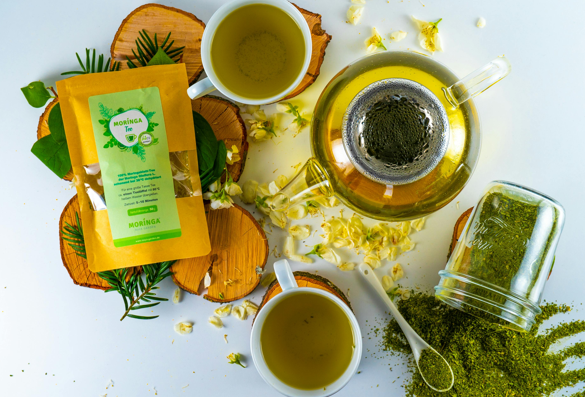
Moringa leaves are among the most nutrient-dense plants on earth. They contain vitamins A, C, and E, calcium, potassium, protein, and powerful antioxidants. Their ability to reduce blood sugar has been widely studied.
1. Improves Insulin Sensitivity
Moringa leaves contain plant compounds known as isothiocyanates, which help improve how the body utilizes insulin (Mbikay, 2012). This makes cells more responsive to insulin, allowing glucose to move from the blood into the cells more effectively.
2. Lowers Blood Sugar Levels Naturally
Studies have shown that moringa leaf powder and extracts can significantly reduce fasting blood sugar levels. According to Leone et al. (2015), consuming moringa leaves helps slow the absorption of sugar in the intestine, preventing sudden spikes after meals.
3. Rich in Fiber
The high fiber content in moringa helps improve digestion and slows the release of glucose into the bloodstream.
4. Antioxidant Protection
Moringa is rich in antioxidants like quercetin and chlorogenic acid, which reduce oxidative stress—a major factor in diabetes complications (Anwar et al., 2007).
5. Anti-inflammatory Properties
Chronic inflammation worsens insulin resistance. Moringa naturally reduces inflammation, helping improve metabolic health.
How to Use Moringa Leaves
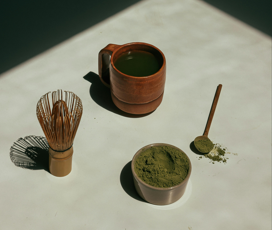
There are several safe ways to consume moringa for blood sugar control:
1. Moringa Leaf Tea
- Boil 1–2 teaspoons of dried moringa leaves in two cups of water.
- Simmer for 5–10 minutes.
- Drink once or twice daily.
2. Fresh Leaf Juice
- Blend a handful of fresh leaves with water.
- Strain and drink ½ cup daily.
3. Moringa Powder
- Add 1 teaspoon of moringa powder to warm water, porridge, or smoothies.
Precautionary Measures When Using Moringa
While moringa is generally natural and safe, certain precautions should be observed. Overconsumption of moringa powder may lead to digestive discomfort, including stomach upset or diarrhea (Fahey, 2005). Individuals taking insulin or other diabetes medications should monitor blood sugar levels closely, as moringa can enhance their effects (Tiloke, Phulukdaree, & Chuturgoon, 2013). Pregnant women are advised to avoid moringa root and bark, which may stimulate uterine contractions. It is also recommended to consult a healthcare professional before combining moringa with antihypertensive or diabetes medications, as interactions may occur. Starting with small amounts allows individuals to assess their tolerance and reduce the risk of adverse reactions (Fahey, 2005).
Moringa leaves offer a powerful, natural approach to managing diabetes by improving insulin sensitivity, lowering blood sugar, and providing essential antioxidants. Combined with healthy lifestyle changes such as a balanced diet, physical activity, and regular monitoring, moringa can be a valuable supplement to diabetes care. Although natural remedies are beneficial, they should always be used responsibly and alongside professional medical advice.
References
American Diabetes Association. (2022). Diabetes overview. https://www.diabetes.org
Anwar, F., Latif, S., Ashraf, M., & Gilani, A. H. (2007). Moringa oleifera: A food plant with multiple medicinal uses. Phytotherapy Research, 21(1), 17–25.
Fahey, J. W. (2005). Moringa oleifera: A review of the medical evidence for its nutritional, therapeutic, and prophylactic properties. Part 1. Trees for Life Journal, 1, 5.
Hu, F. B., Manson, J. E., & Willett, W. C. (2001). Types of dietary fat and risk of coronary heart disease: A critical review. Journal of the American College of Nutrition, 20(1), 5–19.
Leone, A., Spada, A., Battezzati, A., & Schiraldi, A. (2015). Moringa oleifera seeds and leaves: Nutritional and therapeutic potential. International Journal of Food Sciences and Nutrition, 66(6), 740–755.
Hu, F. B., Manson, J. E., & Willett, W. C. (2001). Types of dietary fat and risk of coronary heart disease: A critical review. Journal of the American College of Nutrition, 20(1), 5–19.
Mbikay, M. (2012). Therapeutic potential of Moringa oleifera leaves in chronic hyperglycemia and dyslipidemia. Frontiers in Pharmacology, 3, 24–30.
Tiloke, C., Phulukdaree, A., & Chuturgoon, A. A. (2013). The antiproliferative effect of Moringa oleifera crude aqueous leaf extract on cancerous human alveolar epithelial cells. BMC Complementary and Alternative Medicine, 13, 226.