Hypertension is often called “the silent killer” because generally it has no any symptoms until major complications develop (Sumaira & Uzma & Asma 2023). It is a chronic condition in which the pressure of blood against the arterial walls remains consistently elevated over time (World Health Organization [WHO], 2021). Blood pressure represents the force generated as the heart pumps blood throughout the body and is expressed using two values: systolic pressure, which occurs when the heart contracts, and diastolic pressure, measured when the heart relaxes between beats (American Heart Association [AHA], 2022). A normal blood pressure reading is typically around 120/80 mmHg, whereas hypertension is diagnosed when an individual consistently records measurements above 130/80 mmHg (AHA, 2022). Hypertension elevates the risk of cardiovascular complications such as heart disease, stroke, kidney damage, and other life-threatening conditions (Centers for Disease Control and Prevention [CDC], 2023).
Causes of High Blood Pressure
Several factors contribute to high blood pressure. Primary hypertension, the most common form, develops gradually due to genetics, aging, or unhealthy lifestyle habits. Secondary hypertension, less common, results from underlying conditions such as kidney disease, hormonal disorders, or the use of certain medications. Key lifestyle factors that can increase blood pressure include excessive salt intake, obesity, physical inactivity, excessive alcohol consumption, stress, and smoking. Diet plays a significant role, as certain foods directly influence blood pressure levels.
Does High Blood Pressure has a Target age Group?
No, hypertension can affect anyone regardless of age, gender, or background, research indicates that certain groups are at a higher risk due to biological, genetic, environmental, and lifestyle factors (World Health Organization [WHO], 2023). Understanding these target groups is essential for effective prevention, early diagnosis, and management of the condition.
Age as a Major Risk Factor
One of the most significant predictors of high blood pressure is age. As individuals grow older, the elasticity of the arteries naturally decreases, leading to stiffer blood vessels that increase systolic pressure (Mayo Clinic, 2022). The World Health Organization (2023) reports that adults over the age of 60 are more likely to experience hypertension than younger individuals. This rise in blood pressure is largely attributed to cumulative exposure to unhealthy lifestyle factors and age-related changes in the vascular system. Although hypertension may also occur among younger populations, its prevalence sharply increases with age, making older adults a key target group for prevention and management programs.
Genetic and Family History Factors
Genetic predisposition plays an important role in determining an individual’s likelihood of developing hypertension. People with a family history of high blood pressure are at greater risk due to inherited traits that influence how the kidneys regulate salt and water balance, vascular tone, and arterial stiffness (Carretero & Oparil, 2000). Studies show that when both parents have hypertension, their children have a significantly higher chance of developing the condition. While genetics alone cannot fully explain hypertension, it interacts with environmental and lifestyle factors to increase susceptibility among certain families and ethnic populations.
Lifestyle and Behavioural Factors
Lifestyle choices significantly affect blood pressure levels, creating another identifiable target group — individuals leading sedentary or unhealthy lifestyles. Poor diet, particularly one high in sodium and saturated fats, contributes to arterial stiffness and fluid retention, which increase blood pressure (American Heart Association [AHA], 2023). Lack of physical activity, excessive alcohol consumption, obesity, smoking, and chronic stress further elevate the risk. Urban populations, where processed foods and sedentary habits are more common, tend to experience higher hypertension rates compared to rural communities (WHO, 2023). Therefore, lifestyle-related hypertension is preventable through behaviour change, education, and community-based interventions promoting healthier habits.
Lifestyle and Behavioural Factors
Lifestyle choices significantly affect blood pressure levels, creating another identifiable target group — individuals leading sedentary or unhealthy lifestyles. Poor diet, particularly one high in sodium and saturated fats, contributes to arterial stiffness and fluid retention, which increase blood pressure (American Heart Association [AHA], 2023). Lack of physical activity, excessive alcohol consumption, obesity, smoking, and chronic stress further elevate the risk. Urban populations, where processed foods and sedentary habits are more common, tend to experience higher hypertension rates compared to rural communities (WHO, 2023). Therefore, lifestyle-related hypertension is preventable through behaviour change, education, and community-based interventions promoting healthier habits.
Socioeconomic and Environmental Factors
Socioeconomic status strongly affects an individual’s vulnerability to hypertension. People from low-income backgrounds often face challenges such as poor nutrition, high stress levels, and limited access to healthcare and health education. These factors contribute to a higher prevalence of hypertension in disadvantaged communities (WHO, 2023). Additionally, individuals living in urban environments are frequently exposed to high levels of pollution, processed foods, and sedentary occupations, further increasing their risk. Addressing these social determinants is critical for reducing hypertension disparities across different population groups.
Race and Ethnicity
Racial and ethnic differences are another important consideration when identifying target groups. People of African descent are at particularly high risk of developing hypertension earlier and experiencing more severe complications such as heart failure, kidney disease, and stroke (Carretero & Oparil, 2000). This heightened susceptibility has been linked to genetic factors affecting salt sensitivity and blood vessel regulation, as well as socioeconomic disparities that influence access to quality healthcare. Other minority groups may also face higher risks depending on lifestyle patterns, dietary habits, and healthcare access. Understanding these differences is crucial for designing culturally appropriate public health interventions.
Foods to Avoid to Prevent or Reduce High Blood Pressure

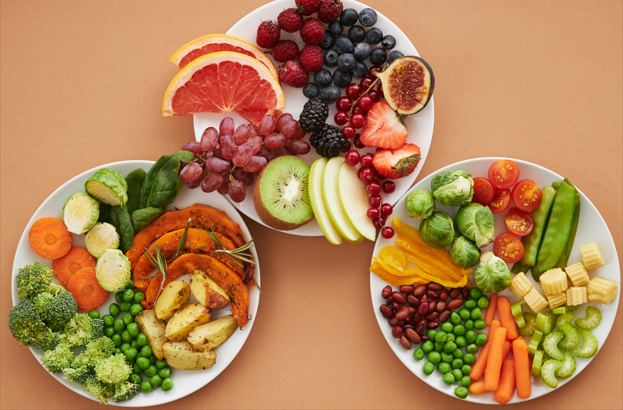
Managing high blood pressure often requires dietary modifications. High sodium foods, including processed snacks, canned soups, fast food, and salted meats, can elevate blood pressure. Foods high in saturated fats, such as fatty cuts of meat, full-fat dairy, and fried foods, contribute to arterial stiffness and cardiovascular disease. Sugary foods and beverages, including sweets, sodas, and desserts, may indirectly affect blood pressure by promoting obesity. Alcohol should be limited, as excessive intake can raise blood pressure and weaken heart function. A balanced diet rich in fruits, vegetables, whole grains, lean proteins, and low-fat dairy is recommended to maintain healthy blood pressure levels.
Role of Hibiscus in Managing High Blood Pressure
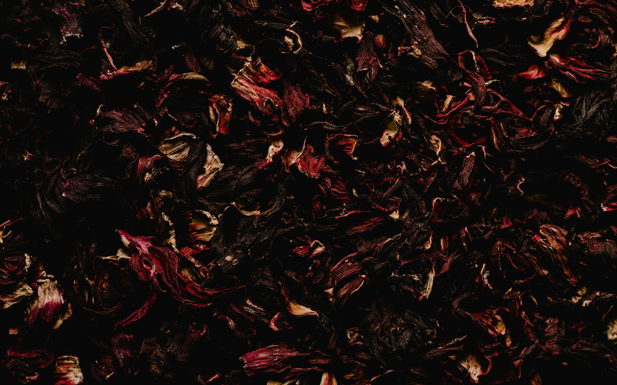
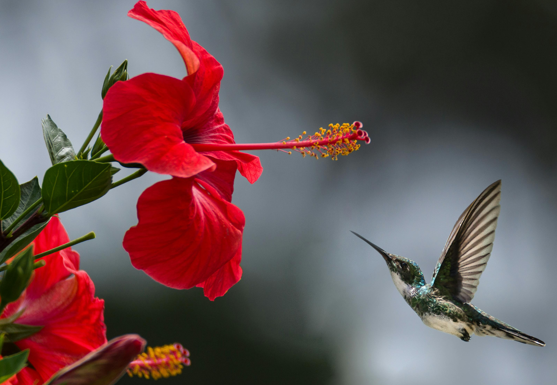
Hibiscus sabdariffa, commonly known as roselle, is a flowering plant widely used in traditional medicine. The calyces of the plant are often brewed into a tart, red tea known as hibiscus tea. Research indicates that hibiscus has significant antihypertensive properties. The active compounds, including anthocyanins and other antioxidants, are believed to help relax blood vessels and improve circulation, resulting in lower blood pressure. Several clinical studies have shown that consuming hibiscus tea regularly can reduce both systolic and diastolic blood pressure in individuals with mild to moderate hypertension.
Hibiscus works in multiple ways. It acts as a natural diuretic, helping the body eliminate excess sodium and fluids, which reduces blood volume and pressure. Its antioxidant properties help prevent oxidative stress in the cardiovascular system, which is associated with high blood pressure. Additionally, some evidence suggests hibiscus may inhibit angiotensin-converting enzyme (ACE), a key enzyme in regulating blood pressure, similar to how some prescription medications work.
Preparation and Consumption
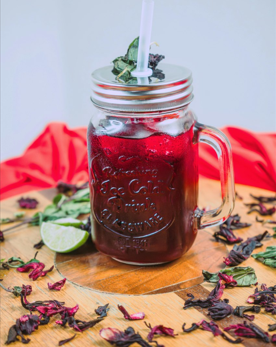
Hibiscus tea is usually prepared by steeping dried hibiscus calyces in hot water for 5–10 minutes. It can be consumed hot or cold and may be sweetened lightly with natural sweeteners such as honey if desired. Regular consumption, combined with a healthy lifestyle, can contribute to better blood pressure management. It is important to note that hibiscus should be used as a complementary approach and not as a replacement for prescribed antihypertensive medication without medical supervision.
Safety Precautions When Using Hibiscus
Although hibiscus is generally safe for most people, there are precautions to consider. Excessive consumption can lead to low blood pressure (hypotension) in individuals already on antihypertensive medication, potentially causing dizziness or fainting. Pregnant and breastfeeding women should consult a healthcare professional before using hibiscus, as its effects on pregnancy are not fully understood. People with diabetes should monitor blood sugar levels closely, as hibiscus may influence glucose metabolism. Allergic reactions are rare but possible, and hibiscus can interact with certain medications, including diuretics and blood thinners. To maximize safety, it is recommended to consume hibiscus tea in moderation, typically one to two cups daily, and to discuss its use with a healthcare provider, especially for those with existing medical conditions or on prescription medication.
In conclusion, high blood pressure is a prevalent condition that poses serious health risks if left unmanaged. While lifestyle modifications, such as a balanced diet and regular exercise, are foundational in managing hypertension, natural remedies like hibiscus offer additional support. Hibiscus tea, with its antioxidant and diuretic properties, has been shown to help reduce blood pressure in some individuals. However, it should be used responsibly and in consultation with healthcare professionals to avoid potential adverse effects. Incorporating hibiscus into a heart-healthy lifestyle, along with avoiding high-sodium, high-fat, and sugary foods, can contribute to better blood pressure control and overall cardiovascular health.
References
- American Heart Association. (2023). Understanding Blood Pressure Readings. Retrieved from https://www.heart.org
- Carretero, O. A., & Oparil, S. (2000). Essential hypertension: Part I: Definition and etiology. Circulation, 101(3), 329–335. https://doi.org/10.1161/01.CIR.101.3.329
- Hopkins, A. L., Lamm, M. G., Funk, J. L., & Ritenbaugh, C. (2013). Hibiscus sabdariffa L. in the treatment of hypertension: a systematic review. Phytotherapy Research, 27(3), 309–314.
- Herrera-Arellano, A., et al. (2007). Clinical study of the antihypertensive effect of hibiscus sabdariffa in patients with hypertension. Phytomedicine, 14(5), 324–328.
- Mayo Clinic. (2022). High blood pressure (hypertension). https://www.mayoclinic.org
- McKay, D. L., & Blumberg, J. B. (2007). Hibiscus sabdariffa L. tea (tisane) lowers blood pressure in prehypertensive and mildly hypertensive adults. Journal of Nutrition, 137(2), 399–404.
- World Health Organization. (2023). Hypertension. https://www.who.int/news-room/fact-sheets/detail/hypertension