The increasing worldwide prevalence of obesity has become the fifth worldwide cause of death and the primary factor that leads to various high mortality prevalence diseases, including hypertension, type 2 diabetes, cardiovascular disease, and various types of cancer (Liu et al., 2017). Various treatment methods of obesity have been used, neither clinically nor not, have short-term effects, there is an urgent need to find another kind of treatment that might have long-term effects and mild side-effects (Annamalai et al., 2016).
Natural weight-loss remedies have gained popularity as people seek gentle, plant-based ways to support metabolism and digestion. One such remedy is hibiscus flowers, widely consumed as herbal tea in many parts of the world. Hibiscus sabdariffa Linn. (H. sabda-riffa), commonly known as Rosella plant`, is one of the plants stated to have anti-obesity effects through its biologically active compounds (Ojulari, Lee and Nam, 2019). This article explores how hibiscus may help in healthy weight management.
What Is Hibiscus?
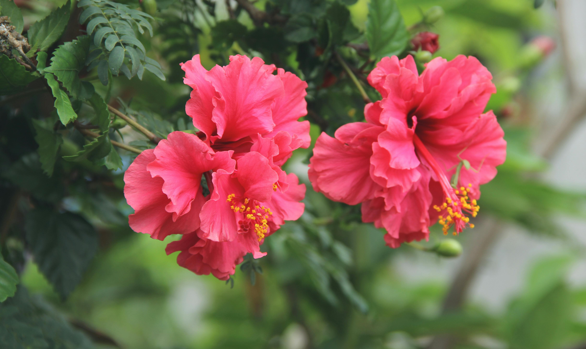
Hibiscus comprises a large genus of flowering plants under the Malvaceae family. It is a renowned ornamental plant that comes with different flower forms and colors. It is considered as the queen of Filipino garden in the Philippines. Hibiscus is considered as the national flower of countries like Malaysia and Hawaii. It comprises a large genus of flowering plants under the Malvaceae family. (Magdalita & San, 2022).
The dried red calyces of the flower are rich in polyphenols, flavonoids, organicacids, and anthocyanins, compounds known for their antioxidant and metabolic effects (Ali et al., 2005). Traditionally, hibiscus has been used to support digestion, blood pressure regulation, and metabolic health.
How Hibiscus Flowers Support Weight Loss
1. Helps Treat Constipation
Firstly, Hibiscus flowers helps t treat constipation. Healthy digestion is essential for effective weight loss. Hibiscus contains organic acids and dietary fiber-like compounds that stimulate bowel movement and improve stool consistency. Studies suggest that hibiscus tea can support intestinal motility and promote regular elimination, reducing constipation-related bloating and discomfort (Da-Costa-Rocha et al., 2014). When digestion improves, nutrient absorption and metabolic efficiency also improve.
2. Strengthens the Gastrointestinal System
In addition, Hibiscus supports gastrointestinal health by reducing oxidative stress and inflammation in the gut (McKay et al., 2010). After digestion, some healthy plant compounds in hibiscus drinks are not fully broken down in the stomach and small intestine. During digestion, enzymes and changes in stomach acidity help release these compounds from plant fibers. Although some of them, like ellagic acid, may be released in the small intestine, they are not fully absorbed by the body. Instead, many of these compounds travel to the colon, where they are used by beneficial gut bacteria. This process supports gut health and may contribute to overall health benefits. A healthy gut environment improves digestion and helps regulate appetite-related hormones (Bohn, 2014).
3. Reduces Obesity and Abdominal Fat
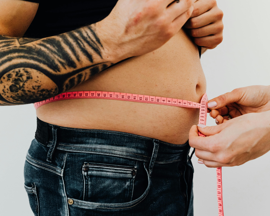
Furthermore, several studies have shown that Hibiscus can significantly reduce the levels of total lipids, cholesterol, and triglycerides (Alarcon-Aguilar et al., 2007). Human studies have shown that oral administration of Hibiscus liquid extract can significantly reduce body weight and abdominal fat accumulation in obese patients. It reduce the absorption of dietary fats by suppressing pancreatic lipase activity (Herrera-Arellano et al., 2011). Hibiscus may also regulate adipocyte (fat cell) development, helping prevent excess fat storage, particularly around the abdomen.
4. Reduces Liver Damage and Supports Fat Metabolism
Lastly, the liver plays a critical role in fat metabolism. Hibiscus has demonstrated hepatoprotective effects, helping reduce liver fat accumulation and oxidative damage associated with obesity (Liu et al., 2018). Bioactive compounds in Hibiscus have been reported to decrease oxysterols (a derivative cholesterol) in bile acid metabolism and block lipid accumulation in the liver (Crosignani, et al, 2011). Studies show that hibiscus extracts can lower elevated liver enzymes and reduce fatty liver changes by improving lipid metabolism and insulin sensitivity. A healthier liver improves the body’s ability to burn fat efficiently.
How to Prepare Hibiscus Flowers for Weight Loss
Hibiscus Tea (Most Common Method)
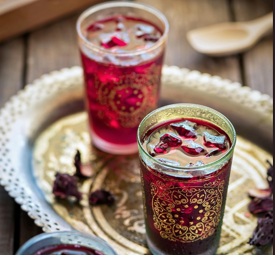
Ingredients:
- 1–2 teaspoons dried hibiscus flowers
- 1 cup hot water
Preparation:
- Rinse the dried hibiscus flowers thoroughly.
- Add them to hot (not boiling) water.
- Cover and steep for 10–15 minutes.
- Strain and drink warm or cold.
How to Use:
- Drink 1–2 cups daily, preferably before meals or between meals.
- Avoid adding sugar; lemon or a small amount of honey may be used if necessary.
Cold Infusion (For Fluid Retention)
Soak dried hibiscus flowers in cold water for 6–8 hours, strain, and drink once daily. This method preserves antioxidants and enhances the refreshing effect.
Precautionary Measures
Although hibiscus is generally safe, certain precautions are important:
- Low blood pressure: Hibiscus may lower blood pressure; individuals with hypotension should use it cautiously.
- Pregnancy and breastfeeding: Avoid regular consumption due to potential hormonal effects.
- Medication interactions: Hibiscus may interact with antihypertensive drugs and diuretics (McKay et al., 2010).
- Excessive use: Overconsumption may cause dizziness, stomach discomfort, or electrolyte imbalance due to its diuretic effect.
Always consult a healthcare professional if you have chronic medical conditions or are taking medication.
In conclusion, while hibiscus alone cannot replace a healthy diet and physical activity, regular consumption as part of a balanced lifestyle may enhance weight-loss efforts safely and naturally.
References
Alarcon-Aguilar FJ, Zamilpa A, Perez-Garcia MD, Almanza-Perez .C, Romero-Nuñez E, Campos-Sepulveda EA, Vazquez-Carrillo LI, et al. (2007). Effect of Hibiscus sabdariffa on obesity in MSG mice. J Ethnopharmacol. 114(1):66-71. doi:10.1016/j.jep.2007.07.020.
Ali, B. H., Wabel, N. A., & Blunden, G. (2005). Phytochemical, pharmacological and toxicological aspects of Hibiscus sabdariffa L.: A review. Phytotherapy Research, 19(5), 369–375.
Annamalai S, Mohanam L, Alwin D, Prabhu V. (2016). Effect of combination thera-py of melatonin and orlistat on high fat diet induced changes in lipid profiles and liver function parameters in serum of rats. Obes. 2:41-5. doi:10.1016/j.-obmed.2016.05.003.
Bohn, T. Dietary factors affecting polyphenol bioavailability. (2014) Nutr. Rev. 72, 429–452
Crosignani, A.; Zuin, M.; Allocca, M.; Del Puppo, M. (2011) Oxysterols in bile acid metabolism. Clin. Chim.1,412, 2037–2045.
Da-Costa-Rocha, I., Bonnlaender, B., Sievers, H., Pischel, I., & Heinrich, M. (2014). Hibiscus sabdariffa L.—A phytochemical and pharmacological review. Food Chemistry, 165, 424–443.
Herrera-Arellano, A., Flores-Romero, S., Chávez-Soto, M. A., & Tortoriello, J. (2011). Effectiveness and tolerability of a standardized extract from Hibiscus sabdariffa in obese patients. Journal of Medicinal Food, 14(5), 1–6.
Herrera-Arellano, A., Miranda-Sánchez, J., Ávila-Castillo, M., et al. (2004). Clinical effects produced by a standardized herbal medicinal product of Hibiscus sabdariffa on patients with hypertension. Planta Medica, 70(3), 245–249.
Liu Y, Sun M, Yao H, Liu Y, Gao R. (2017). Herbal Medicine for the Treatment of Obesity: An Overview of Scientific Evdence from 2007 to 2017. Evid Based Complement Alternat Med. 2017:894-3059. doi:10.1155/2017/8943059
Liu, J. Y., Chen, C. C., Wang, W. H., et al. (2018). Hibiscus sabdariffa extract inhibits obesity and fat accumulation. Journal of Agricultural and Food Chemistry, 66(2), 467–476.
McKay, D. L., & Blumberg, J. B. (2010). Hibiscus tea (Hibiscus sabdariffa) lowers blood pressure in prehypertensive and mildly hypertensive adults. Journal of Nutrition, 140(2), 298–303.
Ojulari OV, Lee SG, Nam JO (2019). Bene-ficial effects of natural bioactive compounds from hibiscus sabdariffa l. on obesity. Molecules. 24(1):210.doi:10.3390/molecules24010210
Magdalita, P & San Pascual, A. (2022). Hibiscus (Hibiscus rosa-sinensis): Importance and Classification. 10.1007/978-981-15-3518-5_18.