The face is the most part of the body that get exposed to the sun. This causes the skin to develop sun burns and wrinkles faster. To reduce this, most people uses sun screen or products that contain Sun Protection Factor (SPF). SPF number (e.g., SPF 15, 30, 50) indicates how long your skin can be exposed to the sun without burningcompared to unprotected skin. For example, if your unprotected skin burns in 10 minutes, SPF 30 theoretically allows you to stay 30 times longer (about 300 minutes) without burning (U.S. Food and Drug Administration, 2021). The more the SPF the more effective the product is. Still the skin needs to restore its natural radiance and glow. Apart from using products that contain SPF Turmeric face mask can also be used to make the skin get its natural complexion and glow.
The Role of Turmeric Face Mask in Making the Skin Glow
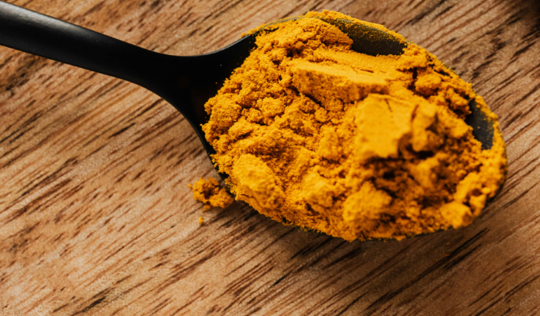
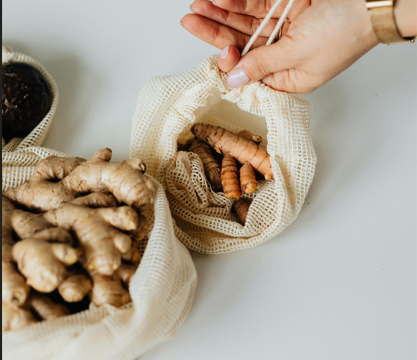
Turmeric is a spice derived from the roots of the curcuma longa plant. As a spice, it has been used in cuisines from centuries. The turmeric plant is a rhizomatous, perennial plant belonging to the ginger family. Its vibrant yellow color, distinct aroma, and potent medicinal properties make it one of the most popular natural skincare ingredients. In recent years, turmeric face masks have gained global attention for their role in brightening the skin, reducing blemishes, and enhancing natural radiance. This article explores how turmeric contributes to glowing skin, the scientific evidence behind its benefits, and how it can be safely used as part of a skincare routine.
Rich in Curcumin: The Key to Skin Brightening
The primary active compound in turmeric is curcumin, a polyphenol known for its strong anti-inflammatory and antioxidant properties. Curcumin works by reducing oxidative stress and inhibiting inflammatory pathways in the skin (Hewlings & Kalman, 2017). Oxidative stress is a major contributor to dull skin, hyperpigmentation, and premature aging, meaning that curcumin directly supports a clearer and brighter complexion.
In combination with other ingredients, Turmeric is effective in reducing fine lines and wrinkles. A simple turmeric face treatment can be made by combining turmeric powder with rice flour, raw milk, and a little tomato juice to form a paste. Apply this mixture to the face and neck for about 30 minutes before rinsing it off with lukewarm water. This blend helps brighten the skin and may reduce the appearance of wrinkles. For dark circles, you can mix a small amount of turmeric into two tablespoons of buttermilk and gently apply it under the eyes for 20 minutes, then wash it off with cool water. This remedy is known to help diminish dark circles and fine lines around the eyes (Sudipta, 2016).
Research also shows that curcumin inhibits melanin production by reducing tyrosinase activity, the enzyme responsible for skin darkening (Vallianou et al., 2015). This makes turmeric especially effective for reducing dark spots, acne scars, and uneven skin tone.
Fights Acne and Reduces Blemishes
Turmeric is well-documented for its antibacterial properties, making it beneficial for acne-prone skin. Curcumin helps fight acne-causing bacteria such as Propionibacterium acnes (Kumar et al., 2016). Additionally, turmeric reduces redness, inflammation, and swelling around pimples, allowing blemishes to heal faster. Turmeric’s natural antiseptic and antibacterial properties help combat pimples and breakouts, giving the skin a healthier, more radiant appearance. A turmeric face mask can also help fade acne scars, calm inflammation, and minimize excess oil production from the sebaceous glands. To make an effective anti-acne face pack, combine turmeric powder with sandalwood powder, then add a few drops of lemon juice to form a smooth paste. Apply it to the face for about 10 minutes before rinsing with lukewarm water. For targeting acne marks specifically, a simple blend of turmeric and water applied to the affected areas for 15 minutes can help lighten the scars and improve skin clarity (Sudipta, 2016).
Regulate excess oil production
Turmeric is especially helpful for oily skin because it helps regulate sebum production. This is the natural oil released by the sebaceous glands. Sandalwood works as a gentle astringent, helping tighten pores, while orange juice provides vitamin C, which naturally brightens the skin and reduces blemishes (Sudipta, 2016). To make a simple mask for oily skin, combine 2 tablespoons of sandalwood powder with a pinch of turmeric, mix in about 3 tablespoons of orange juice and add 2 tablespoons of honey to form a paste. Apply it to your face, leave it on for 20 minutes, and rinse with lwarm water for a refreshed, balanced complexion. This paste prevents clogged pores and breakouts. With consistent use, users often report clearer, smoother skin with fewer blemishes (Nirmala & Narendran 2016). Regular use of turmeric masks supports skin repair, enhances collagen production, and improves elasticity, allowing the skin to appear healthier, fresher, and naturally radiant.
Powerful Antioxidant Effects That Promote Glow
Antioxidants are essential for glowing skin because they protect the skin barrier from environmental damage such as pollution, UV radiation, and toxins. Turmeric contains high levels of phenolics and flavonoids that help neutralize free radicals responsible for dullness and aging (Prasad & Aggarwal, 2011).
Fade Dark Spots and Improve Skin Tone Naturally

Turmeric is widely recognized for its ability to improve uneven skin tone, mainly because its active compound curcumin helps reduce hyperpigmentation by slowing down the overproduction of melanin, the pigment responsible for dark spots (Vallianou et al., 2015). Regular application of turmeric-based face masks can gradually brighten the complexion and lighten stubborn spots, offering a gentle alternative to harsh chemical lightening products. Its natural antiseptic and antibacterial properties also support clearer skin by reducing pimples, calming inflammation, and helping the skin maintain a healthy glow. Additionally, turmeric helps regulate excess oil produced by the sebaceous glands, making it beneficial for acne-prone skin. A simple brightening and clarifying mask can be made by mixing turmeric with sandalwood powder and adding a little lemon juice; apply it to the face for about ten minutes before rinsing with lukewarm water. For fading acne marks, a paste of turmeric and plain water applied for roughly fifteen minutes can help improve the appearance of scars over time (Sudipta, 2016).
Gently Exfoliates and Improves Skin Texture
When combined with yogurt, honey, or oats, turmeric creates a gentle exfoliating effect that helps remove dead skin cells. This exfoliation reveals fresh, new skin underneath and improves the skin’s texture. The natural glow that results from turmeric masks often comes from this gentle resurfacing effect combined with the brightening properties of curcumin (Vaughn et al., 2016).
Reduces signs of aging
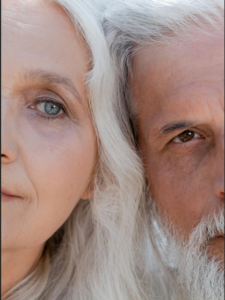
Being an excellent exfoliating agent, turmeric can help eliminate the signs of aging. You can make a paste by mixing besan (gram flour) and turmeric powder in equal proportions with water. This paste can also be prepared in raw milk or even yoghurt. Apply it evenly on your body and allow it to dry. Rinse off with lukewarm water and scrub your face gently in a circular motion (Sudipta, 2016). To reduce signs of aging the skin needs to be moisturised. Turmeric is often used with moisturizing ingredients such as honey, Aloe vera, yogurt and coconut milk. These combinations enhance hydration, soothing dry or flaky skin. Turmeric also supports the skin’s moisture barrier by reducing inflammation and preventing water loss from the outer layer of the skin (Hewlings & Kalman, 2017). This leads to softer, healthier-looking skin.
Promotes Healing
Curcumin enhances wound healing by increasing collagen deposition, stimulating cell repair, and reducing inflammation (Kant et al., 2014). This helps fade acne scars, sun damage, and minor skin abrasions more quickly. The wound-healing ability of turmeric explains why it has been used for centuries in traditional medicine for skin injuries.
Precautions
Although turmeric is widely considered safe for topical use, certain precautions should be followed to avoid skin irritation or adverse reactions. Turmeric may temporarily stain the skin yellow, particularly in people with lighter skin tones, due to the presence of curcumin pigments (Vaughn et al., 2016). A patch test is always recommended before applying turmeric masks to the entire face, as some individuals may experience allergic reactions or contact dermatitis (Schoenfeld & Graber, 2020). Those with extremely sensitive skin are advised to use turmeric in small amounts to minimize the risk of irritation. Additionally, turmeric should always be mixed with a gentle base such as honey, aloe vera, or yogurt to balance its drying effect and prevent skin discomfort (Vaughn et al., 2016).
Turmeric face masks offer a powerful, natural, and scientifically supported way to enhance skin glow. Its curcumin content provides anti-inflammatory, antibacterial, antioxidant, and melanin-inhibiting effects that brighten the skin, reduce blemishes, and promote a healthier complexion. When used consistently and safely, turmeric can be an effective addition to a natural skincare routine for achieving radiant, glowing skin.
References
Chainani-Wu, N. (2003). Safety and anti-inflammatory activity of curcumin: A component of turmeric (Curcuma longa). The Journal of Alternative and Complementary Medicine, 9(1), 161–168.
Heng, M. C. (2020). Curcumin targeted signaling pathways in skin health. Clinical Dermatology Review, 4(2), 51–58.
Hewlings, S. J., & Kalman, D. S. (2017). Curcumin: A review of its effects on human health. Foods, 6(10), 92.
Kant, V., Gopal, A., Pathak, N. N., Kumar, P., Tandan, S. K., & Kumar, D. (2014). Antioxidant and anti-inflammatory potential of curcumin accelerated the cutaneous wound healing in streptozotocin induced diabetic rats. International Immunopharmacology, 20(2), 322–330.
Kumar, B., Vijayakumar, M., Govindarajan, R., & Pushpangadan, P. (2016). Ethnopharmacological approaches to wound healing—Exploring medicinal plants of India. Journal of Ethnopharmacology, 114, 103–113.
Nirmala, G. S., & Narendran, R. (2016). Curcumin: A Natural Wonder Drug for Various Skin Diseases. Indian Journal of Dermatology, 61(6), 660–662.
Prasad, S., & Aggarwal, B. B. (2011). Turmeric, the golden spice: From traditional medicine to modern health. Herbal Medicine, 263–292.
Sudipta, R. (2016). In India Turmeric Used For Beautiful Skin By Sudipta Roy. 10.13140/RG.2.1.2651.0166.
Schoenfeld, J. D., & Graber, E. M. (2020). Cosmeceuticals for treating acne: Evidence and recommendations. Dermatology and Therapy, 10(2), 193–205
U.S. Food and Drug Administration. (2021). Sunscreen: How to help protect your skin from the sun. https://www.fda.gov
Vallianou, N. G., Evangelopoulos, A., & Kazazis, C. (2015). Turmeric and curcumin: Biological actions and implications for human health. Advances in Experimental Medicine and Biology, 93–108.
Vaughn, A. R., Branum, A., & Sivamani, R. K. (2016). Effects of turmeric (Curcuma longa) on skin health: A systematic review of clinical evidence. Phytotherapy Research, 30(8), 1243–1264.
