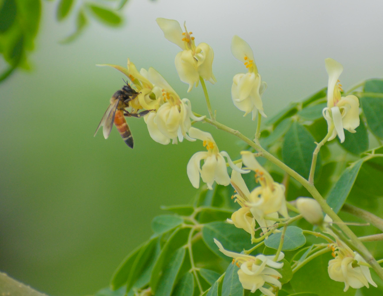
Unlike many medicinal compounds that come from bark or roots, this powerful agent is found in the flower. It targets one of the most damaging inflammatory pathways in the human body. When people hear about moringa, they usually think of the leaves, powders, teas, or capsules, but the flowers are often ignored, even though they contain some of the plant’s most potent anti-inflammatory compounds. Moringa oleifera, often referred to as the “Miracle Tree” or “Drumstick Tree,” is one of the most versatile and nutritious plants known to humanity. Native to India, this fast-growing, drought-resistant tree thrives in tropical and subtropical regions worldwide, where it has been used for centuries as a food source and a traditional medicine (Prabakaran et, al, 2024).
The role of Moringa flowers
Moringa flowers possess a unique biochemical profile capable of interfering with NF-κB, the body’s primary regulator of inflammation. NF-κB acts as a master switch that controls swelling, irritation, tissue heat, redness, joint stiffness, and long-term inflammatory processes. When this pathway remains overactive, it becomes a major driver of chronic pain, metabolic disorders, skin flare-ups, and accelerated tissue aging.
Laboratory studies show that extracts from moringa flowers can block the movement of NF-κB into the nucleus of immune cells. This step is critical, because without entering the nucleus, NF-κB cannot signal the body to produce inflammation-triggering chemicals. As a result, moringa flower compounds quickly begin reducing key inflammatory messengers such as TNF-α, IL-1β, and IL-6, substances linked to burning joints, irritated skin, and deep, persistent swelling.
In addition, these compounds inhibit COX-2 and iNOS, reducing the production of nitric oxide and prostaglandins, molecules that intensify pain and make inflamed tissues feel hot, tight, and tender. This represents a direct biochemical interruption of the inflammatory process. In animal studies, moringa flower extracts have been shown to reduce swelling with a strength and clarity comparable to that of pharmaceutical anti-inflammatory drugs.
Nutritional benefits of moringa flowers
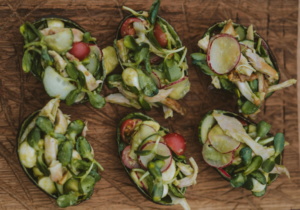
Moringa flowers, together with the leaves, are widely consumed as vegetables in many traditional diets. They are prepared in various ways, including cooking alone, mixing with other foods, or frying in batter (Fahey, 2005). The flowers are commonly used in vegetable curries, salads, pickles, and as flavoring agents, and when cooked they are often described as having a mushroom-like taste (Duke, 1982). In some cultures, the flowers are soaked in vinegar and eaten as accompaniments to meals or prepared into nutritious curries known for their health-promoting qualities. They are also consumed raw in salads, brewed into herbal teas, and processed into pickles (Amee Ravani, 2018).
Ethno botanical evidence indicates that consuming moringa flowers cooked with unripe mango helps reduce excess body heat during hot seasons and aids in preventing nutritional deficiencies (Kumar et al., 2010). From a nutritional perspective, moringa flowers contain a valuable combination of essential nutrients, amino acids, vitamins, and bioactive compounds with antioxidant, anti-inflammatory, and anti-aging properties that support both nutrition and therapeutic applications (Anwar et al., 2007; Leone et al., 2015). Studies have shown that different parts of the moringa plant, including the flowers, contribute significantly to dietary quality due to their high micronutrient and phytochemical content (Fahey, 2005).
Because of its exceptional nutritional profile and wide range of medicinal benefits, moringa has been recognized by the World Health Organization as a sustainable alternative food source for combating malnutrition, particularly in developing countries where access to diverse diets is limited (Fuglie, 2000; Anwar et al., 2007).
Precautionary Measures When Using Moringa Flowers
Despite the recognized nutritional and medicinal value of moringa flowers, certain precautionary measures are necessary to ensure their safe and effective use. Moringa flowers should be harvested from clean, uncontaminated environments, as plants grown near roadsides or in areas exposed to pesticides and industrial waste may accumulate harmful substances (Anwar et al., 2007). Thorough washing before preparation is therefore essential.
Consumption should be moderate, particularly for first-time users. Excessive intake may lead to mild gastrointestinal disturbances such as nausea, bloating, or diarrhea due to the plant’s bioactive compounds (Fahey, 2005). Gradual introduction into the diet allows the body to adapt and reduces the risk of adverse effects.

Pregnant and breastfeeding women are advised to exercise caution. Although moringa leaves are widely consumed during lactation, limited scientific evidence exists regarding the safety of moringa flowers during pregnancy. Consultation with a healthcare professional is recommended before regular consumption (Leone et al., 2015).
Individuals taking medications for hypertension, diabetes, or inflammatory conditions should also be cautious, as moringa flowers may enhance the effects of such drugs, potentially resulting in low blood pressure or reduced blood glucose levels (Anwar et al., 2007; Kumar et al., 2010). Medical guidance is advisable in these cases.
People with plant-based allergies should initially consume small quantities and observe for any allergic reactions, including itching, swelling, or digestive discomfort (Fahey, 2005). Additionally, proper cooking or traditional preparation methods are encouraged, as heat treatment can reduce ant nutritional factors and improve digestibility (Duke, 1982).
Conclusion
Moringa flowers represent a valuable yet underutilized component of the moringa plant, offering substantial nutritional and therapeutic benefits. Their rich content of essential nutrients, antioxidants, and anti-inflammatory compounds supports overall health and contributes to improved dietary quality (Anwar et al., 2007; Leone et al., 2015). Traditional food practices and scientific evidence alike underscore their potential role in nutrition and wellness.
When consumed responsibly and with appropriate precautions, moringa flowers can serve as a sustainable, affordable, and locally available food resource, particularly in regions affected by malnutrition. The promotion of safe preparation methods and informed use can help maximize their benefits while minimizing potential risks. As global interest in functional and plant-based foods continues to expand, moringa flowers deserve greater recognition as both a nourishing dietary component and a natural aid to health (Fuglie, 2000).
References
Amee Ravani. “Potentiality of Moringa Oliefera for Food and Nutritional Security A review”, Agricultural and Research Communication Centre. 2017; 38(3):228- 232.
Anwar, F., Latif, S., Ashraf, M., & Gilani, A. H. (2007). Moringa oleifera: A food plant with multiple medicinal uses. Phytotherapy Research, 21(1), 17–25.
Duke JA. “Moringa oleifera Lam. (Moringaceae). In: Handbook of Nuts (Ed. Duke JA)”. CRC Press, Boca Raton, FL, USA, 2001, 214-217.
Fahey JW. “Moringa oleifera: A Review of the Medical Evidence for Its Nutritional, Therapeutic, and Prophylactic Properties”. Part1. Trees for Life Journa. 2005; 1:5.
Fuglie LJ.” The Miracle Tree: Moringa oleifera, Natural Nutrition for the Tropics”. Church World Service, Dakar, Senegal, 2000, 68.
Kumar Y, Thakur TK, Sahu ML, Thakur A.” A multifunctional wonder tree: Moringa oleifera Lam open new dimensions in field of agroforestry in India”. International Journal of Current Microbiology and Applied Sciences. 2017; 6(8):229-235.
Kunyanga CN, Imungi JK, Vellingiri V. “Nutritional evaluation of indigenous foods with potential foodbased solution to alleviate hunger and malnutrition in Kenya”. Journal of Applied Biosciences. 2013; 67:5277-5288.
Leone, A., Spada, A., Battezzati, A., Schiraldi, A., Aristil, J., & Bertoli, S. (2015). Cultivation, genetic, ethnopharmacology, phytochemistry and pharmacology of Moringa oleifera leaves: An overview. International Journal of Molecular Sciences, 16(6), 12791–12835.