
Vaginal yeast infections are common among women of all ages and can cause significant discomfort that affects daily functioning. Although they are usually not dangerous, untreated infections may lead to recurrent episodes, irritation, and emotional distress. A yeast infection occurs when the natural balance of microorganisms in the vagina shifts, allowing fungal organisms, particularly Candida albicans, to multiply excessively. Natural remedies such as plain yogurt have gained popularity due to their safety, accessibility, and ability to help restore vaginal balance. This essay discusses what vaginal yeast infections are, their causes, foods to avoid, the healing benefits of plain yogurt, its proper use, and important precautionary measures.
What Is a Vaginal Yeast Infection?
A vaginal yeast infection, or vaginal candidiasis, is an overgrowth of the fungus Candida albicans in the vaginal region (Centers for Disease Control and Prevention [CDC], 2023). The vagina normally contains a mix of yeast and beneficial bacteria. Among these bacteria, Lactobacillus helps maintain an acidic environment that prevents yeast from multiplying uncontrollably. When this balance is disturbed, yeast can overgrow and trigger symptoms such as itching, burning, redness, swelling, thick white discharge, and discomfort during urination or sex (Mayo Clinic, 2022).
What Causes Vaginal Yeast Infections?

Several factors can disrupt the natural balance of the vagina and trigger yeast overgrowth. One of the most common causes is antibiotic use, which reduces both harmful and beneficial bacteria. When good bacteria are destroyed, yeast can grow more easily (CDC, 2023). Hormonal changes also play a significant role. Pregnancy, menstruation, and the use of birth control pills can increase oestrogen levels, which in turn encourages yeast growth (Mayo Clinic, 2022).
High blood sugar is another major cause, especially in women with poorly managed diabetes. Elevated glucose levels create an environment that supports yeast proliferation (National Institute of Diabetes and Digestive and Kidney Diseases [NIDDK], 2021). Other triggers include a weakened immune system, high stress levels, wearing tight or synthetic clothing, and using scented feminine products such as sprays, soaps, or douches. Additionally, poor diet, especially one high in sugar, can feed yeast and increase the risk of infection (Mills, 2020).
Foods to Avoid to Reduce Yeast Infections

Diet plays a crucial role in preventing and managing vaginal yeast infections. Since yeast thrives on sugar, it is important to reduce or avoid certain foods, including refined sugars such as sweets, sodas, cakes, and biscuits, refined carbohydrates like white bread, white rice, and pasta, processed foods high in preservatives, alcohol, yeast-containing foods such as bread and beer, and excessive dairy except for probiotic yogurt. Consuming these foods can lead to blood sugar spikes, which feed yeast organisms and make infections more likely or harder to treat (Mills, 2020). Instead, maintaining a balanced diet that limits sugar and processed foods supports immune function and helps prevent yeast overgrowth.
The Role of Plain Yogurt in Healing Yeast Infections Naturally
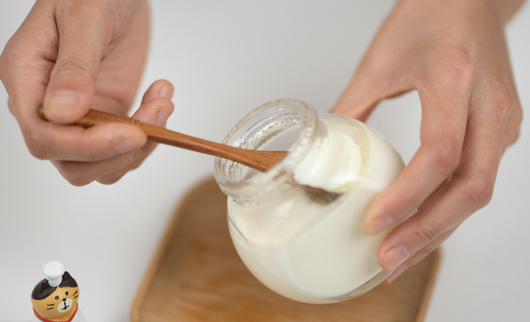
Plain yogurt is one of the most effective and widely recommended natural remedies for vaginal yeast infections because it contains probiotics, particularly Lactobacillus acidophilus. These beneficial bacteria help restore vaginal flora, regulate pH levels, and suppress the growth of Candida (Reid & Hammond, 2019). When consumed regularly, yogurt strengthens both gut and vaginal health, which reduces the risk of recurrent infections.
Yogurt also contains lactic acid-producing bacteria, which help maintain the acidic vaginal environment necessary to control yeast levels. Studies have shown that probiotics can reduce yeast infection recurrence and shorten healing time (Reid & Hammond, 2019). However, it is crucial to use plain, unsweetened yogurt with live active cultures, as sugary yogurt can worsen the infection.
How to Use Plain Yogurt for Yeast Infections
There are two safe and effective ways to use yogurt for managing vaginal yeast infections:
1. Eating Plain Yogurt
Consuming yogurt is the safest and most beneficial method. Eating one to two cups of plain yogurt daily increases probiotic levels, supports the immune system, and helps restore vaginal bacterial balance (Mayo Clinic, 2022).
2. External Application
Plain yogurt may also be applied externally to soothe itching and burning.
Method:
- Wash your hands thoroughly.
- Apply a small amount of yogurt to the irritated area.
- Leave it on for 10–15 minutes.
- Rinse with warm water and pat dry.
This method provides quick relief and helps rebuild healthy bacteria on the skin.
Important: Do not insert yogurt inside the vagina using tampons or applicators, as this may introduce harmful bacteria and increase irritation (CDC, 2023).
Precautionary Measures
Although natural remedies like plain yogurt can be effective in managing vaginal yeast infections, several precautions should be observed. Individuals should consult a doctor if symptoms persist for more than 72 hours. Only plain, unsweetened yogurt with live cultures should be used, and scented soaps, sprays, or other feminine hygiene products should be avoided. Wearing loose, breathable cotton underwear helps maintain airflow, and douching should be avoided, as it disrupts the natural balance of vaginal flora. It is also important to keep the vaginal area dry, since moisture encourages yeast growth. Women who are pregnant, diabetic, or immunocompromised should seek medical advice before using home remedies (National Institute of Diabetes and Digestive and Kidney Diseases [NIDDK], 2021).
Vaginal yeast infections are common but manageable when one understands their causes and adopts healthy habits. Factors such as antibiotic use, hormonal changes, high sugar levels, and poor hygiene can disrupt the natural vaginal balance, leading to yeast overgrowth. Avoiding sugary and processed foods while incorporating probiotic-rich foods can significantly reduce infection risk. Plain yogurt, when consumed correctly or applied externally, helps restore healthy bacteria and soothe symptoms naturally. With the right care, lifestyle adjustments, and precautionary measures, women can manage yeast infections effectively and maintain long-term vaginal health.
References
CDC. (2023). Vaginal Candidiasis. Centers for Disease Control and Prevention.
Mayo Clinic. (2022). Yeast infection (vaginal). Mayo Clinic.
Mills, M. (2020). Diet and Yeast Overgrowth. Nutrition and Health Journal.
NIDDK. (2021). Diabetes and Infections. National Institute of Diabetes and Digestive and Kidney Diseases.
Reid, G., & Hammond, J. (2019). Probiotics and vaginal health. Journal of Applied Microbiology, 127(2), 493–501.