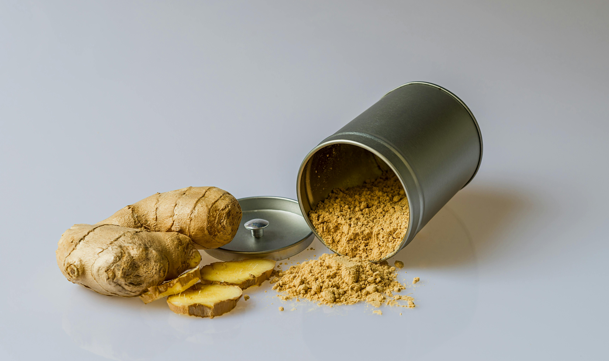
Ginger (Zingiber officinale) is a well-known spice valued for its aromatic flavour and powerful medicinal properties. Traditionally used to treat digestive and respiratory issues, ginger has recently gained popularity in natural beauty care due to its anti-inflammatory, antioxidant, and antimicrobial properties (Ali, Blunden, Tanira, & Nemmar, 2008). These biological activities make ginger a valuable natural remedy for maintaining healthy hair and glowing skin. This essay explores the causes of hair and skin problems, the role of ginger in promoting hair and skin health, how to prepare and apply ginger, and precautionary measures for safe use.
What Causes Hair Loss and Unhealthy Hair
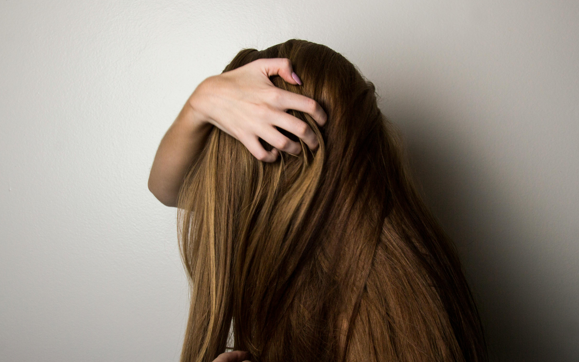
Hair loss and poor hair health can result from a variety of factors, including nutritional deficiencies, hormonal imbalances, stress, environmental pollution, and scalp infections (Messenger & Sinclair, 2006). Common nutritional deficiencies involve a lack of essential nutrients such as iron, zinc, and vitamins A, C, and E, which are crucial for healthy hair growth. Hormonal changes, particularly during pregnancy, menopause, or thyroid disorders, can also disrupt the normal hair growth cycle. Additionally, excessive use of chemicals, including hair dyes and heat treatments, can damage hair follicles and weaken hair strands. Poor scalp health, caused by clogged follicles or dandruff, further reduces hair growth, while oxidative stress induced by free radicals contributes to premature greying and hair thinning (Trüeb, 2009). These factors often prompt individuals to seek natural remedies that nourish the scalp and stimulate hair growth without harmful side effects.
The Role of Ginger in Promoting Healthy Hair
Ginger contains bioactive compounds such as gingerol, shogaol, and zingerone, which possess strong antioxidant and antimicrobial properties that support scalp health and hair growth (Rahmani, Al Shabrmi, & Aly, 2014).
1. Stimulating Hair Growth
Ginger increases blood circulation to the scalp, ensuring that hair follicles receive more oxygen and nutrients (Babu et al., 2012). This stimulation strengthens hair roots and encourages new hair growth.
2. Reducing Dandruff and Scalp Infection
The antimicrobial activity of ginger helps eliminate dandruff and fungal infections that can block hair follicles and cause hair fall (Ali et al., 2008). Ginger’s natural cleansing ability removes excess oil, dirt, and toxins, keeping the scalp clean.
3. Preventing Hair Thinning and Breakage
Ginger’s antioxidant compounds protect the hair follicles from oxidative stress and damage caused by environmental pollutants or ultraviolet rays (Rahmani et al., 2014). The presence of vitamins and fatty acids in ginger also strengthens the hair strands, reducing split ends and breakage.
The Role of Ginger in Promoting Healthy Skin
In addition to improving hair health, ginger plays a vital role in maintaining healthy, youthful-looking skin.
1. Anti-Inflammatory Effects
Skin problems such as acne, eczema, and irritation are often caused by inflammation. Ginger’s anti-inflammatory properties reduce redness, swelling, and blemishes (Bode & Dong, 2011). It soothes the skin and promotes healing, making it useful for sensitive or acne-prone skin.
2. Antioxidant Protection
Ginger is rich in antioxidants that combat free radicals — unstable molecules that cause premature aging and wrinkles. According to Bode and Dong (2011), ginger neutralizes oxidative stress, helping to maintain skin elasticity and reduce fine lines.
3. Improving Skin Tone and Glow
Ginger enhances blood circulation, bringing more nutrients and oxygen to skin cells. This process revitalizes dull skin, giving it a natural, healthy glow (Ali et al., 2008). Additionally, ginger’s detoxifying properties help cleanse the pores and remove toxins that lead to acne or dark spots.
4. Healing Scars and Dark Spots
The active compound gingerol has been found to reduce hyperpigmentation by controlling excess melanin production (Rahmani et al., 2014). Applying ginger juice to scars or dark spots regularly can help lighten them and even out the skin tone.
How to Prepare and Use Ginger for Healthy Hair and Skin
1. Ginger Hair Mask
Ingredients:
- 2 tablespoons of fresh ginger juice
- 1 tablespoon of coconut or olive oil
Method:
- Grate fresh ginger and extract the juice.
- Mix it with the oil and apply it directly to the scalp.
- Massage gently for 5–10 minutes to increase blood flow.
- Leave it on for 30 minutes before washing with mild shampoo.
This mask strengthens roots, prevents dandruff, and stimulates growth (Babu et al., 2012).
2. Ginger Oil Massage
Warm ginger-infused oil can be massaged into the scalp twice a week. To make it, mix fresh ginger slices with coconut oil and warm it slightly. Let it sit overnight before straining. Regular use improves scalp circulation and nourishes hair follicles.
3. Ginger Face Mask for Glowing Skin
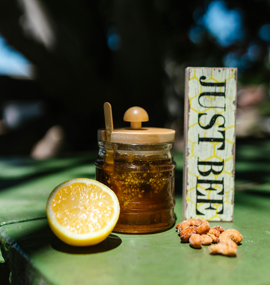
Ingredients:
- 1 teaspoon of grated ginger
- 1 tablespoon of honey
- 1 teaspoon of lemon juice
Method:
- Mix all ingredients into a smooth paste.
- Apply to the face and leave for 15 minutes.
- Rinse with lukewarm water.
This mask brightens the skin, reduces acne, and enhances radiance. The antibacterial properties of ginger and honey cleanse the skin, while lemon helps lighten dark spots.
4. Ginger Tea for Internal Skin and Hair Health
Drinking ginger tea daily provides the body with antioxidants that nourish the skin and hair from within. It helps flush out toxins, improves circulation, and boosts collagen production (Rahmani et al., 2014).
Precautionary Measures
While ginger is generally safe for both external and internal use, certain precautions should be observed. A patch test is recommended before applying ginger juice directly to the skin or scalp, as it may cause irritation in sensitive individuals (Mayo Clinic, 2023). Ginger should not be applied to open wounds or cuts to prevent potential adverse reactions. Pregnant women or individuals taking blood-thinning medications should consult a healthcare professional before consuming large amounts of ginger. Additionally, topical application should be limited to two to three times per week to avoid dryness or scalp sensitivity (Mayo Clinic, 2023).
Ginger is more than a kitchen spice, it is a versatile natural remedy that supports both hair and skin health. Its antioxidant, anti-inflammatory, and antimicrobial properties help combat dandruff, strengthen hair roots, and rejuvenate the skin. When used properly — whether as oil, juice, or in face masks — ginger can restore vitality to dull hair and skin naturally. With simple preparation methods and mindful precautions, this common root provides an affordable and effective solution for maintaining beauty and health from nature’s own pharmacy.
References
Ali, B. H., Blunden, G., Tanira, M. O., & Nemmar, A. (2008). Some phytochemical, pharmacological and toxicological properties of ginger (Zingiber officinale Roscoe): A review. Food and Chemical Toxicology, 46(2), 409–420.
Babu, K. G., Shankar, S. G., & Rai, A. G. (2012). Effect of Zingiber officinale on hair growth: A natural approach. Journal of Cosmetic Dermatology, 11(4), 289–296.
Bode, A. M., & Dong, Z. (2011). The amazing and mighty ginger: Role in health and disease prevention. In Herbal Medicine: Biomolecular and Clinical Aspects (2nd ed.). CRC Press.
Mayo Clinic. (2023). Ginger: Health benefits and side effects. Retrieved from https://www.mayoclinic.org
Messenger, A. G., & Sinclair, R. D. (2006). Follicular miniaturization in female pattern hair loss: Clinicopathological correlations. British Journal of Dermatology, 155(5), 926–930.
Rahmani, A. H., Al Shabrmi, F. M., & Aly, S. M. (2014). Active ingredients of ginger as potential candidates in the prevention and treatment of diseases via modulation of biological activities. International Journal of Physiology, Pathophysiology and Pharmacology, 6(2), 125–136.
Trüeb, R. M. (2009). Oxidative stress in ageing of hair. International Journal of Trichology, 1(1), 6–14.
