Urinary incontinence is the involuntary loss of urine and disrupts the quality of life (Mohamed-Ahmed, et. Al, 2023). A weak bladder is a common but often overlooked condition that affects both men and women, especially with aging. This condition occurs when the bladder muscles(detrusor muscles) or the pelvic floor muscles become weakened or overactive. It can interfere with daily life, confidence, and overall wellbeing. Fortunately, traditional medicine and emerging scientific evidence suggest that certain natural remedies, such as garlic and cloves, may help strengthen bladder control and support urinary health. Therefore this articles explores how to strengfthen the bladder.
Causes of weak bladder

Menopause
Menopause is a critical period in the life of every woman. The time of menopausal transition is often marked by metabolic changes that affect the health of a woman. Recent scientific reports indicate that already before the onset of menopause, referred to as the climacteric, it causes many unpleasant symptoms that worsen the quality of life of many women. It affects mainly the sedentary nature of work, too frequent use of the car or the lack of time for any physical activity. This trend is particularly evident in the elderly, who often spend their free time watching TV, and they do not practice sport (Gücük and Gücük, 2017). These factors weaken the overall performance of the body, leading to weakness of the muscles or bones, respiratory disorders and circulatory problems.
Aging

In addition, aging is also a major contributing factor, as bladder elasticity decreases and pelvic floor muscle strength declines over time (Abrams et al., 2018). Age-related changes in nerve signaling and reduced bladder capacity further impair the coordination between bladder contraction and urethral closure, increasing the likelihood of urgency and involuntary urine leakage in older adults (Irwin et al., 2011).
Pregnancy

Furthermore, pregnancy and childbirth, can stretch or damage pelvic floor muscles and nerves that support bladder control (Haylen et al., 2010). Prolonged labor, vaginal delivery, and the use of obstetric interventions may further weaken these structures, reducing urethral support and increasing the risk of urinary incontinence later in life (Abrams et al., 2018).
Prostate surgery
In the same way, prostate enlargement or prostate surgery may obstruct urine flow or disrupt bladder signaling, leading to urinary symptoms in men (Andersson & Arner, 2004).
Other important causes include chronic constipation and obesity, which increase abdominal pressure and strain the bladder and pelvic muscles (Subak et al., 2009).
Least but not last, Neurological conditions such as diabetes, stroke, spinal cord injury, or multiple sclerosis can also impair nerve communication between the bladder and the brain, resulting in poor bladder coordination (Abrams et al., 2018).
Lastly, recurrent urinary tract infections and chronic inflammation may further irritate bladder tissues, causing urgency and reduced control, while lifestyle factors such as prolonged sitting, physical inactivity, and excessive intake of caffeine or alcohol can worsen bladder weakness and urinary frequency (Irwin et al., 2011).
How Garlic Supports Bladder Strength and Control
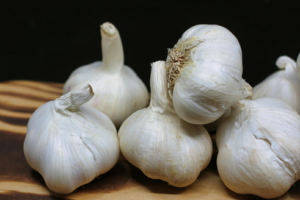
Garlic shows an antiviral, antibacterial and antifungal properties. This is because of the element diallyl-thiosulphate or allicin and sulphur accommodating compounds. Interstitial cystitis is a chronic situation that originate bladder pain. Garlic shows an antioxidant, anti-inflammatory and immune modulatory results that assist in the therapy of this situation. Chronic inflammation in bladder tissues can weaken muscle responsiveness and worsen urinary urgency. By reducing inflammatory markers, garlic helps protect bladder tissue integrity (Borlinghaus et al., 2014). Over the collision of garlic on urinary tract infections not several studies have been done however one study manifest that in an experimental build-up of urinary tract infection model, garlic shows a remarkable influence in the debilitation of the virulence of Pseudomonas aeruginosa (Kore, 2025).
Garlic also improves blood circulation and supports nerve signaling, which is crucial for proper bladder contraction and relaxation. Improved insulin sensitivity and glucose control associated with garlic may further benefit bladder function, especially in individuals with diabetes-related urinary issues (Ried et al., 2013).
Additionally, garlic has antimicrobial properties that help reduce recurrent urinary infections, one of the contributors to weak bladder symptoms (Ankri & Mirelman, 1999).
The Role of Cloves Water in Improving Bladder Control
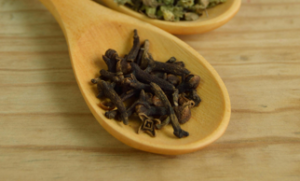
Cloves (Syzygium aromaticum) are rich in eugenol, a bioactive compound known for its antispasmodic, antioxidant, and anti-inflammatory effects. Clove water helps relax overactive bladder muscles, reducing urgency and frequency of urination.
Additionally, eugenol has been shown to modulate smooth muscle contractions, which may help stabilize involuntary bladder spasms commonly seen in urge incontinence (Daniel et al., 2009). Cloves also combat oxidative stress, protecting bladder tissues from cellular damage that can impair muscle tone and nerve communication.
Moreover, cloves possess antimicrobial activity that supports urinary tract health by limiting the growth of harmful bacteria (Cortés-Rojas et al., 2014).
Scientific Evidence Supporting Garlic and Cloves for Bladder Health
Research shows that plant compounds with anti-inflammatory and antioxidant activity can improve bladder muscle function and reduce urinary symptoms (Andersson & Arner, 2004). Garlic’s ability to lower inflammatory cytokines and improve vascular function supports pelvic organ health, while clove-derived eugenol contributes to smooth muscle regulation and pain reduction.
Although direct clinical trials on garlic and cloves for bladder control are limited, their mechanisms of action strongly align with known pathways involved in bladder weakness, making them promising supportive remedies when used safely.
Recipe: Garlic and Cloves Water for Bladder Support
Ingredients:
- 2 cloves of fresh garlic
- 4–5 whole cloves
- 1 cup (250 ml) of water
Preparation:
- Lightly crush the garlic cloves and cloves.
- Add them to 1 cup of water.
- Bring to a gentle boil for 5–7 minutes.
- Remove from heat and allow to cool slightly.
- Strain and drink warm.
How to Use:
- Drink once daily, preferably in the morning or early evening.
- Use consistently for 2–3 weeks, then take a break.
Precautionary Measures
While garlic and clove water are generally safe when used moderately, certain precautions are important. Individuals with stomach ulcers, acid reflux, or bleeding disorders should avoid excessive garlic intake, as it may irritate the stomach lining or thin the blood. Garlic can also interact with blood-thinning medications.
Cloves should be used in small amounts, as high doses of eugenol may cause gastrointestinal irritation or liver stress. Pregnant and breastfeeding women, as well as individuals with chronic medical conditions, should consult a healthcare professional before using herbal remedies regularly.
These remedies should complement, and should not replace medical evaluation, especially in cases of severe or persistent urinary symptoms.
Conclusion
A weak bladder can significantly affect quality of life, but natural approaches may offer supportive benefits. Stigma and the constant need to manage the problem can lead to feelings of shame and social isolation, highlighting the importance of effective interventions to offer comprehensive support to affected individuals (Kasper, 2017). Garlic and cloves, through their anti-inflammatory, antioxidant, antimicrobial, and muscle-regulating properties, provide a promising natural strategy to help improve bladder control. When combined with healthy lifestyle habits and used responsibly, these traditional remedies may help you strengthen bladder function naturally and regain confidence.
References
Abrams, P., Cardozo, L., Wagg, A., & Wein, A. (2018). Incontinence (6th ed.). International Continence Society.
Andersson KE, Arner A. Urinary bladder contraction and relaxation: physiology and pathophysiology. Physiol Rev. 2004;84(3):935–986. doi:10.1152/physrev.00038.2003
Ankri, S., & Mirelman, D. (1999). Antimicrobial properties of allicin from garlic. Microbes and Infection, 1(2), 125–129.
Borlinghaus, J., Albrecht, F., Gruhlke, M. C., Nwachukwu, I. D., & Slusarenko, A. J. (2014). Allicin: Chemistry and biological properties. Molecules, 19(8), 12591–12618. https://doi.org/10.3390/molecules190812591
Cortés-Rojas, D. F., de Souza, C. R. F., & Oliveira, W. P. (2014). Clove (Syzygium aromaticum): A precious spice. Asian Pacific Journal of Tropical Biomedicine, 4(2), 90–96.
Daniel, A. N., Sartoretto, S. M., Schmidt, G., Caparroz-Assef, S. M., Bersani-Amado, C. A., & Cuman, R. K. N. (2009). Anti-inflammatory and antinociceptive activities of eugenol. Journal of Ethnopharmacology, 124(3), 409–413.
Gücük S, Gücük A. (2017)Approach to urinary incontinence in the elderly in primary care: a mini review. Gerontol Geriatrics ; 1: 1-4
Haylen BT, de Ridder D, Freeman RM, et al. An international urogynecological association (IUGA) / international continence society (ICS) joint report on the terminology for female pelvic floor dysfunction. Neurourol Urodyn. 2010;29(1):4–20. doi:10.1002/nau.20798
Irwin DE, Kopp ZS, Agatep B, Milsom I, Abrams P. Worldwide prevalence estimates of lower urinary tract symptoms, overactive bladder, urinary incontinence and bladder outlet obstruction. BJU Int. 2011;108(7):1132–1138. doi:10.1111/j.1464-410X.2010.09993.x
Kasper, D. L., et al. (2017). *Medicina interna de Harrison.* 19ª ed. Porto Alegre: AMGH Editora
Kore, Na. (2025). REVIEW ON URINARY TRACT INFECTION RELATED TO HERBAL.
Mohamed-Ahmed, R, Taithongchai, A, Da Silva, A., Robinson, D, & Cardozo, L. (2023). Treating and Managing Urinary Incontinence: Evolving and Potential Multicomponent Medical and Lifestyle Interventions. Research and Reports in Urology. 15. 193-203. 10.2147/RRU.S387205.
Ried, K., Toben, C., & Fakler, P. (2013). Effect of garlic on serum lipids: An updated meta-analysis. Nutrition Reviews, 71(5), 282–299.
Subak LL, Richter HE, Hunskaar S. Obesity and urinary incontinence: epidemiology and clinical research update. J Urol. 2009;182(6 suppl):S2–S7. doi:10.1016/j.juro.2009.08.071