
The prevalence of overweight obesity continues to rise worldwide despite numerous strategies having been employed for body weight reduction (Hruby & Hu, 2015). Most of the people affected are from developing countries due to high consumption of processed and fast food. One of the most common causes is excess calorie intake, where individuals consume more energy than the body uses. Diets high in processed foods, sugar, unhealthy fats, and oversized portions contribute to gradual weight gain. Physical inactivity further compounds the problem, as sedentary lifestyles reduce calorie expenditure, leading to fat accumulation. Hormonal imbalances, such as thyroid disorders and insulin resistance, can also predispose individuals to weight gain (Hall et al., 2012). Additionally, stress, lack of sleep, genetics, and emotional eating play important roles in altering metabolism and increasing fat storage, making weight management challenging for many people (Spiegel et al., 2009).
Dietary management with adequate adherence to individual nutrient intakes such as fibre, Calories, protein and omega-3 fatty acids has been on the front line in the management of weight loss (Bravata et al, 2003)
The role of Chia seeds
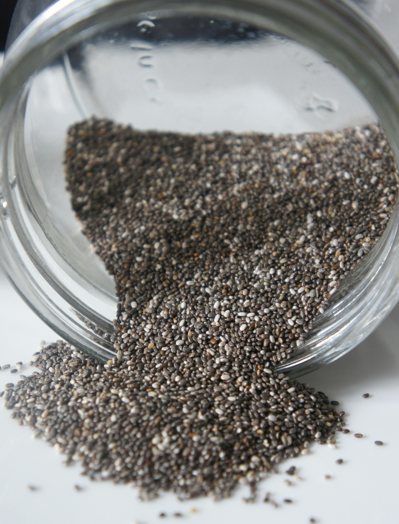
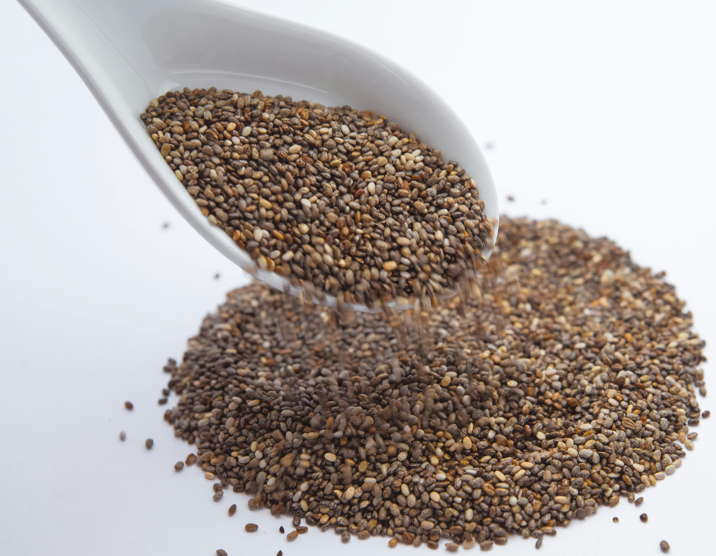
In recent years, there has been increased interest in natural foods that promote healthy weight loss, and chia seeds are among the most widely researched. Chia seed is a whole grain, scientifically known as Salvia hispanica L., originally from Mexico, Colombia and Guatemala and has gained its recognition as superfood due to their exceptional nutrient nutrients for over 5000 years and wide range health benefits (Melo et al., 2019). Various studies have shown that chia seeds are rich in dietary fiber, polyunsaturated fatty acids, proteins, vitamins and minerals; the dietary fiber is approximately 30–34 per cent, of which the insoluble fiber accounts for approximately 85–93 per cent, while soluble dietary fibre accounts for approximately 7–15 per cent (Reyes-Caudillo et al., 2008). One of their most significant properties is their high soluble fiber content, which allows them to absorb up to 12 times their weight in water. When consumed, they expand in the stomach, forming a gel-like substance that increases satiety and reduces hunger, helping to prevent overeating (Ulbricht et al., 2009). Fiber’s ability to delay gastric emptying and modulate hunger hormones can contribute to reduced calorie consumption, making chia seeds a potential tool for weight management. This unique ability makes chia seeds a powerful tool for appetite control.
Furthermore, chia seeds have a low glycemic index, which helps stabilize blood sugar levels and prevents rapid insulin spikes that can promote fat storage (Vuksan et al., 2010). By maintaining stable blood glucose, chia seeds may reduce cravings for sugary snacks and support better energy regulation throughout the day (Ulbricht et al., 2009). Their protein content also contributes to weight management by supporting muscle repair and promoting longer-lasting satiety (Hernandez et al., 2020). Additionally, the omega-3 fatty acids in chia seeds help reduce inflammation, which is often linked to obesity and metabolic disorders (Ayerza & Coates, 2005). While chia seeds alone are not a magic solution for weight loss, incorporating them into a balanced diet can support healthier eating patterns, improve digestion, and promote gradual and sustainable weight reduction (Ulbricht et al., 2009).
Preparation of Chia seeds

Preparing chia seeds for weight loss is simple and versatile. One popular method is chia water, made by soaking one tablespoon of chia seeds in a glass of warm water for approximately 30 minutes until they form a gel. This gel-like drink can be consumed in the morning before breakfast to support digestion and increase satiety throughout the day (Ulbricht et al., 2009). Another common preparation is chia pudding, where two tablespoons of chia seeds are mixed with one cup of water or low-fat milk and left to thicken overnight. This nutrient-dense meal can serve as a healthy breakfast or snack. Chia seeds can also be added to smoothies, oatmeal, yogurt, or sprinkled on salads to enhance fiber and nutrient intake (Hernandez et al., 2020). Because chia seeds absorb liquid in the digestive tract, it is recommended to drink plenty of water to optimize their effectiveness and prevent digestive discomfort (Vuksan et al., 2010).
In addition to incorporating chia seeds, it is important to avoid foods that contribute to weight gain. Refined sugars, such as those found in sodas, cakes, and processed snacks, provide empty calories and promote cravings (Malik et al., 2010). Foods high in unhealthy fats, including fried foods, processed meats, and fast food, increase calorie intake without supplying essential nutrients. Similarly, refined carbohydrates like white bread, white rice, and pastries can trigger rapid blood sugar spikes, which often lead to increased hunger and overeating (Ludwig, 2002). Excessive alcohol consumption also contributes to weight gain because alcoholic drinks are calorie-dense and may impair metabolism. For effective weight management, individuals are advised to prioritize whole grains, fruits, vegetables, lean proteins, and healthy fats, while minimizing intake of calorie-dense, nutrient-poor foods (World Health Organization, 2021).
Precautionary measures
Despite the many benefits of chia seeds, certain precautionary measures should be observed. Because of their high fiber content, consuming large amounts without adequate water can lead to digestive discomfort, including bloating, constipation, or abdominal pain (Ulbricht et al., 2009). Individuals with digestive disorders, such as Crohn’s disease or irritable bowel syndrome (IBS), are advised to introduce chia seeds gradually to assess tolerance. People with swallowing difficulties should avoid consuming dry chia seeds, as they may expand in the throat and pose a choking hazard (Hernandez et al., 2020). Additionally, individuals allergic to plants in the mint family, such as basil, thyme, or oregano, may experience allergic reactions and should consult a healthcare professional before use (Ulbricht et al., 2009). While chia seeds can help regulate blood sugar, people on diabetes medication should monitor their blood glucose closely to prevent hypoglycemia (Vuksan et al., 2010). Pregnant and breastfeeding women may consume chia seeds in moderation but should seek medical advice if they have specific health concerns (Hernandez et al., 2020).
Overall, chia seeds are a nutritious and effective addition to a weight loss plan. Their rich fiber, protein, and antioxidant content support appetite control, digestive health, and metabolic balance. When combined with a healthy diet, regular exercise, and mindful eating habits, chia seeds can contribute significantly to sustainable and natural weight management.
References
Ayerza, R., & Coates, W. (2005). Seed yield and oil quality of chia (Salvia hispanica L.) under different irrigation regimes. Industrial Crops and Products, 21(2), 109–116.
Bravata, D. M., Sanders, L., Huang, J., Krumholz, H. M., Olkin, I., Gardner, C. D., & Bravata, D. M. (2003). Efficacy and Safety of Low-Carbohydrate Diets: A Systematic Review. JAMA, 289 (14), 1837–1850.
Hall, K. D., Heymsfield, S. B., Kemnitz, J. W, Klein, S., Schoeller, D. A., & Speakman, J. R. (2012). Energy balance and its components: Implications for body weight regulation. The American Journal of Clinical Nutrition, 95(4), 989–994.
Hernandez, T., et al. (2020). Effects of chia (Salvia hispanica L.) supplementation on appetite and body weight: A systematic review. Nutrients, 12(4), 1056.
Hruby, A., & Hu, F. B. (2015). The epidemiology of obesity: A big picture. Pharmacoeconomics, 33(7), 673–689.
Ludwig, D. S. (2002). The glycemic index: Physiological mechanisms relating to obesity, diabetes, and cardiovascular disease. JAMA, 287(18), 2414–2423. https://doi.org/10.1001/jama.287.18.2414
Malik, V. S., Popkin, B. M., Bray, G. A., Després, J. P., Willett, W. C., & Hu, F. B. (2010). Sugar-sweetened beverages and risk of metabolic syndrome and type 2 diabetes: A meta-analysis. Diabetes Care, 33(11), 2477–2483. https://doi.org/10.2337/dc10-1079
Melo, D., MacHado, T. B., & Oliveira, M. B. P. P. (2019). Chia seeds: An ancient grain trending in modern human diets. Food and Function, 10 (6), 3068–3089.
Reyes-Caudillo, E., Tecante, A., & Valdivia-López, M. A. (2008).Dietary fibre content and
Spiegel, K., Tasali, E., Leproult, R., & Van Cauter, E. (2009). “Effects of poor and short sleep on glucose metabolism and obesity risk.” Nature Reviews Endocrinology, 5(5), 253–261
Ulbricht, C., Chao, W., Nummy, K., Rusie, E., Goldsmith, S., & Weissner, W. (2009). Chia (Salvia hispanica L.): A systematic review by the natural standard research collaboration. Journal of Dietary Supplements, 6(4), 338–358.
Ulbricht, C., Chao, W., Nummy, K., Rusie, E., Goldsmith, S., & Weissner, W. (2009). Chia (Salvia hispanica L.): A systematic review by the Natural Standard Research Collaboration. Journal of Dietary Supplements, 6(4), 338–358.
Vuksan, V., et al. (2010). Chia seed (Salvia hispanica L.) supplementation and glycemic control in type 2 diabetes. Nutrition Research, 30(11), 1–7. 92(2), 298–305https://doi.org/10.1016/j.nutres.2010.09.00
World Health Organization. (2021). Healthy diet. https://www.who.int/news-room/fact-sheets/detail/healthy-diet
